Ukraine Launches Major Army Overhaul: New Contracts Worth Up to 300,000 Hryvnia

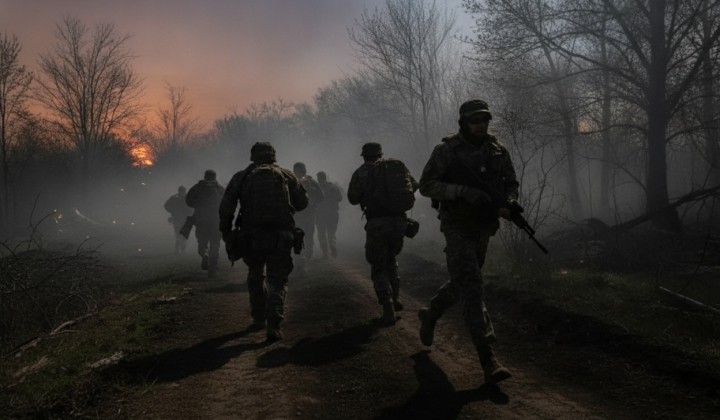
Ukraine's Army Reform Kicks Off
According to Главком: On June 12, Ukraine's Defense Ministry, alongside President Volodymyr Zelenskyy, announced the first phase of a sweeping military reform. This phase introduces fresh contracts, higher pay, and a gradual demobilization process. Deputy Defense Minister Mstyslav Banik addressed criticism of the changes during a briefing on June 15, explaining that the reform aims to tackle long-standing issues faced by service members.
Updated Contract Terms and Financial Adjustments
Under the new terms, the minimum salary for rear-area personnel will be roughly 20,000 hryvnia, plus an additional 'rear allowance' of 10,000 hryvnia, bringing their total pay to about 30,000 hryvnia. For infantry and assault contracts, the average salary will reach 300,000 hryvnia, with extra bonuses for combat missions:
- 10,000 hryvnia per day spent on the front lines;
- 20,000 hryvnia for restoring positions;
- 40,000 hryvnia for assault operations.
Infantry-assault contracts will last 6 months for those discharged from service, 10 months for active-duty soldiers, and 14 months for reservists. Additionally, a bonus of 15,000 hryvnia is offered for eliminating an enemy in close combat, and 100,000 hryvnia for each prisoner captured.
Salaries under combat contracts can reach up to 120,000 hryvnia, while basic contracts will pay up to 70,000 hryvnia. Both combat and basic contracts will have a 24-month duration for all categories of personnel. After an infantry-assault contract, a deferment of 6 months is granted, plus 3 months for every month spent in combat; for combat and basic contracts, the deferment is 6 months, plus 1 month for each month in combat. The phased demobilization of troops is set to begin in late fall 2024. Soldiers who do not sign a new contract will continue serving until demobilization, while officers will not be subject to the gradual release process.
Banik noted that from June 12 to September 20, service members can voluntarily return to contract service. They may rejoin one of 55 units. According to available data, roughly 200,000 soldiers are currently serving under contract. The Defense Ministry has also faced financial losses of 300 billion hryvnia, and two million Ukrainians are currently wanted for military service. Defense Minister Mykhailo Fedorov stated a goal of filling 30-50% of assault and infantry positions with foreign personnel.
Years of war have created urgent problems that need addressing. Banik emphasized:
“We would like to give more, but we are working within our available resources.”
He also added that 'for a quality demobilization, there must be a quality mobilization.' Trust in state institutions and societal motivation were highlighted as crucial for the reform's success. The deputy minister remarked, 'If we’re talking about a contract soldier and a mobilized soldier sitting side by side in the same trench, their pay will be exactly the same.'
The reform also allows service members to sign new contracts through the 'Army +' app, which launched on June 15. Soldiers will be able to transfer within their front-line sector once a year without needing approval. These changes aim to improve conditions in the military and create a more supportive environment for troops.
This army reform represents a critical step for Ukraine in maintaining stability and developing its armed forces, especially amid an ongoing war. The introduction of new contract terms and increased pay could boost soldier motivation and enhance their social welfare. Given the significant financial costs and the need to rebuild military capacity, the reform's success will hinge on the state's ability to maintain public trust and attract new recruits.
As Ukraine's military reform progresses, understanding the newly approved fixed service durations for military contracts becomes essential. These changes are designed to enhance the structure and effectiveness of the armed forces, ensuring that service members are well-compensated and fully aware of their commitments. The recent updates complement the ongoing efforts to modernize Ukraine's military framework.

Read also