Even Under General Anesthesia, the Brain Keeps Recognizing Speech and Anticipating Words

Brain Activity During General Anesthesia: New Findings
According to НВ — Техно: June 30, 09:00
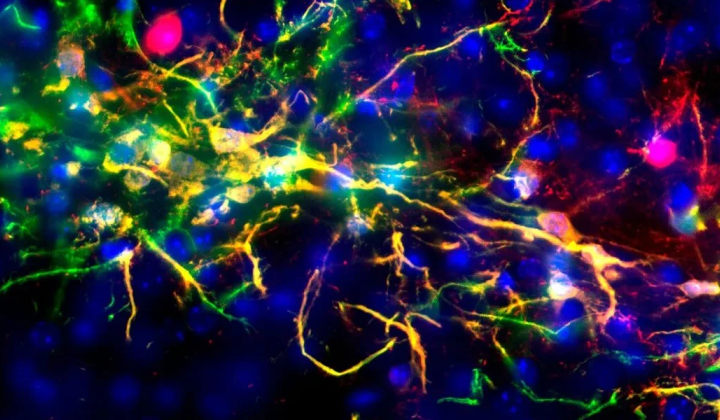
A study led by researchers at Baylor College of Medicine has revealed that under general anesthesia, the human brain continues to perform complex language tasks-such as recognizing sounds, processing speech, and predicting upcoming words. These findings suggest that even in a state of complete unconsciousness, the brain remains active and capable of analyzing information from the surrounding environment.
The research focused on a specific type of general anesthesia and examined neuron activity in the hippocampus. Scientists recorded neural signals during epilepsy surgeries using Neuropixels probes. Patients were exposed to repeated sound patterns, occasionally interrupted by unexpected tones. Over time, the brain became more accurate at detecting these surprising sounds.
Key Results of the Study
During the experiments, participants listened to short stories while their brains processed speech in real time. Neural signals showed the brain could distinguish between nouns, verbs, and adjectives.
“The brain during unconsciousness turned out to be far more active than previously thought,” said Dr. Sameer Sheth, professor of neurosurgery.
He also noted that
“even when patients are under full anesthesia, the brain continues to analyze environmental information.”
Dr. Sheth added that ‘the brain seems to predict what will be said next in the story, even when the person is unaware of what is happening.’ This kind of prediction was previously linked only to states of wakefulness and attention. However, according to Professor Benjamin Hayden, ‘it has now been observed during unconsciousness as well.’
These findings could lay the groundwork for developing speech prosthetics to help people who have lost the ability to speak after a stroke or brain injury.
“These results could serve as a foundation for creating speech prosthetics,” said Dr. Vighi Katlowitz, the study’s first author.
Conducted at Baylor College of Medicine, this research opens new avenues for understanding brain functions under anesthesia. The observed language-related activity may reshape approaches to anesthesia and rehabilitation for patients recovering from severe brain trauma or strokes. The results may also encourage further investigations in neurology and neuropsychology, driving the development of technologies to restore speech in those who have lost it.
These intriguing findings about brain activity during anesthesia open up new avenues for understanding cognitive functions. For instance, recent research has revealed a novel approach to brain development, shedding light on the intricate processes involved in neural formation. To explore this groundbreaking study further, visit new insights into brain formation.

Read also