Even Under Anesthesia, the Brain Keeps Processing Language and Predicting Words

Brain Activity During Anesthesia: A New Discovery
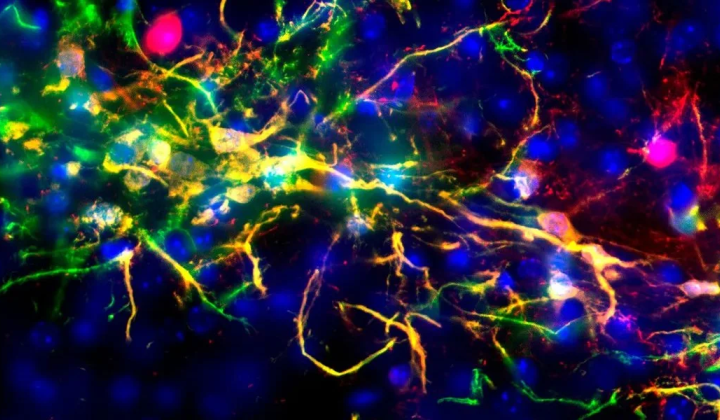
According to НВ — Техно: Researchers at Baylor College of Medicine have found that under general anesthesia, the human brain continues to carry out complex linguistic tasks-such as recognizing sounds, processing speech, and anticipating upcoming words. This was demonstrated during surgeries performed to treat epilepsy. The team used cutting-edge Neuropixels probes to record the activity of hundreds of individual neurons in the patients' hippocampi.
The hippocampus is known to play a key role in memory. In the study, patients were first played a series of repeated sound cues, with occasional unexpected sounds mixed in. Hippocampal neurons responded consistently to these changes, and over time, the brain became more accurate at identifying the sounds. Later, when short stories were played, the brain continued to process speech in real time. Neural signals revealed the ability to distinguish between nouns, verbs, and adjectives, as well as to predict words before they were spoken.
“The brain during unconsciousness turned out to be far more active than previously thought.”
Dr. Sameer Sheth, Professor of Neurosurgery
The findings challenge the assumed link between consciousness and thinking. Lead author Dr. Vigh Katlowitz suggests these results could lay the groundwork for developing speech prosthetics-devices that might help people who have lost the ability to speak after a stroke or brain injury. While the study focused on only one type of general anesthesia and examined the hippocampus specifically, its implications could reshape how scientists understand brain function during unconsciousness.
What’s Next for This Research
These results open new frontiers in neuroscience, showing that the brain remains capable of activity even under anesthesia. This could lead to changes in anesthesia practices and in treatments for patients with speech disorders. The study encourages further investigation into the brain’s inner workings across different states of consciousness.
This groundbreaking research not only reveals the brain's surprising capabilities under anesthesia but also invites further exploration into the complexities of brain development. For a deeper understanding of how new principles govern brain formation, you can read more about it in our article on novel blueprints for brain development.

Read also