Earth Faces G2 Geomagnetic Storm After Major Solar Flare Eruption

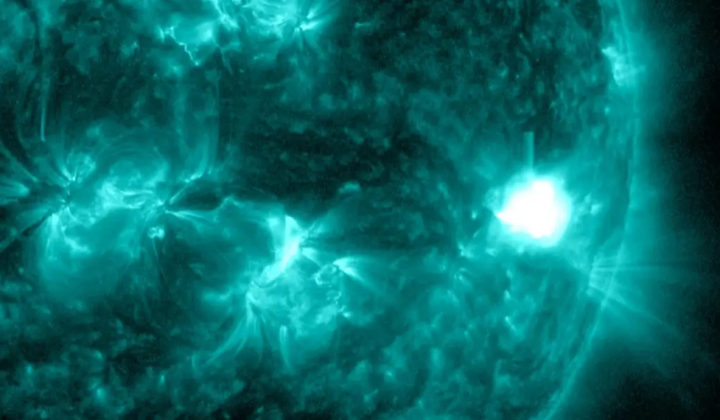
Solar Flares Recorded on June 30, 2026
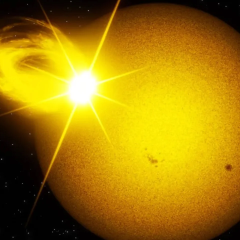
According to НВ — Техно: A significant solar event unfolded on June 30, 2026, when the Sun emitted an M5.8-class flare followed by an X1.1-class flare. These eruptions mark a notable moment for monitoring solar activity. Forecasts indicate that geomagnetic conditions could reach G2 storm levels between July 1 and July 2.
The M5.8 flare began at 12:37 UTC and concluded at 13:23 UTC on the same day. It originated from Active Region 4475, situated on the Sun's western limb. Interestingly, no radio signatures suggesting a coronal mass ejection (CME) were detected during this event. Despite this, CMEs launched on June 26 and 27 are expected to arrive in the coming days.
Later that day, at 20:50 UTC (23:50 Kyiv time), an X1.1 flare erupted. It is worth noting that G2-level geomagnetic activity is classified as moderately strong, and its effects could persist into early July 2. The Sun is currently in its most active phase of the 11-year solar cycle, increasing the likelihood of such events.
How Solar Flares Affect Earth
Monitoring solar flares and their impact on geomagnetic activity is crucial for understanding space weather and its potential consequences on our planet.
Solar activity, especially flares, can disrupt technologies like satellite communications and power grids. G2 geomagnetic storms may enhance auroral displays and cause brief interruptions in electronic systems. Staying informed about these phenomena helps mitigate risks to infrastructure and the public.

Read also