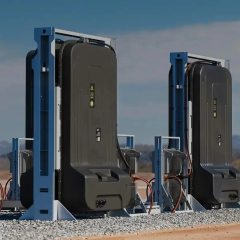
NASA Develops Solid-State Batteries Capable of Withstanding Extreme Lunar Temperatures from -200°C to +100°C

The SPEARS Project and Advanced Solid-State Batteries
According to НВ — Техно: NASA’s SPEARS initiative is pioneering solid-state batteries designed to operate under the Moon's drastic temperature shifts, ranging from -200°C up to +100°C. These batteries aim to power spacesuits, scientific instruments, and lunar rovers during the Artemis missions. Unlike traditional batteries, SPEARS technology replaces liquid electrolytes with durable ceramic or polymer materials, enhancing reliability in the harsh conditions of space.
Conventional lithium-ion batteries cannot endure such extreme temperature fluctuations. However, SPEARS prototypes have successfully passed rigorous thermal vacuum tests at Langley Research Center in Virginia, demonstrating stable performance between -80°C and +80°C. Impressively, these batteries maintained integrity and functionality even after exposure to temperatures as low as -170°C and as high as +100°C, without sustaining internal damage.
Applications and Future Impact
To ensure rapid activation after exposure to freezing cold, the batteries are equipped with small built-in heaters. The plan is for SPEARS batteries to support a range of lunar mission equipment including tools, emergency kits, rovers, and scientific stations. Beyond space, this solid-state technology holds promise for Earth-based uses such as electric vehicles, drones, portable electronics, and communication devices operating in extreme climates.
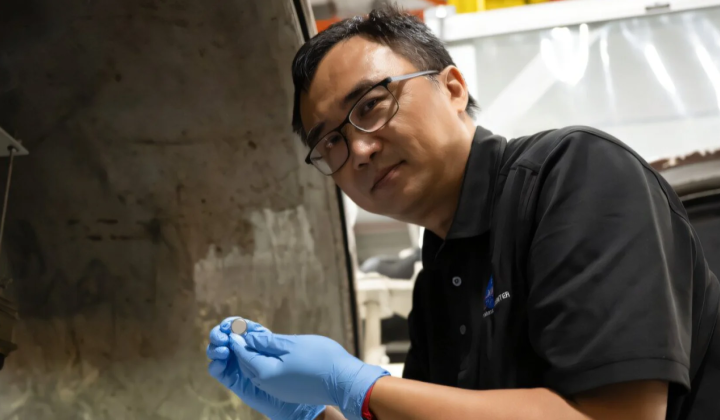
NASA and Ryan Hill provided an image of Yi Lin, the SPEARS testing and research lead. This project represents a significant advancement in energy storage technology that could transform power solutions both in space exploration and on Earth.
The development of solid-state batteries for Artemis underscores the growing demand for dependable energy sources in space exploration. Successful prototype trials highlight their potential to thrive in extreme environments, paving the way for future missions to the Moon and other celestial bodies.
Additionally, adapting this technology for terrestrial applications could stimulate growth in electric mobility and autonomous systems, marking a crucial step toward reducing environmental impact.
As NASA advances solid-state battery technology for lunar missions, it's noteworthy that innovations in energy storage are also emerging on Earth. For instance, German chemists have developed a composite material that enhances the performance and longevity of zinc-air batteries, showcasing the global effort to improve battery efficiency across various applications.

Read also