NASA Allocates $20 Billion for Lunar Base and Upcoming Missions

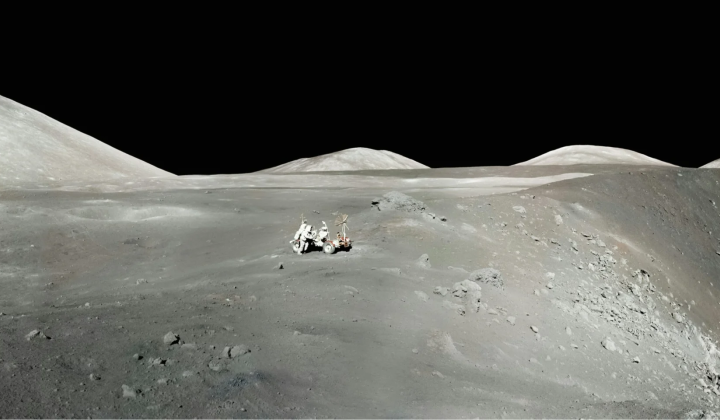
NASA's New Lunar Missions
According to НВ — Техно: NASA has unveiled plans for a series of uncrewed missions to the Moon, awarding contracts worth nearly $600 million to three American companies for cargo delivery. This initiative is part of a broader strategy under which the agency will also invest $20 billion in establishing a lunar base near the Moon's south pole. Construction of this base could begin as early as 2029, underscoring the ambition of the U.S. space program amid intensifying competition with China's lunar ambitions.
The announcement of these new missions took place at NASA headquarters in Washington, D.C., on July 1, 2026. Notably, the agency had already announced other missions in May of the same year. However, despite these plans, NASA intends to pause work on the Gateway project in its current form. Jared Isaacman, a NASA representative, stated:
“The agency plans to suspend work on Gateway as it currently stands and shift focus toward infrastructure that supports stable ground operations.”
Challenges Facing NASA's Program
NASA's program faces several challenges, including setbacks linked to the explosion of Blue Origin's New Glenn rocket, owned by Jeff Bezos. NASA is working closely with Blue Origin to assess recovery timelines and is also exploring alternative options should the situation not improve. As Carlos García-Galán noted:
“We are working closely with Blue Origin to understand their recovery schedule, and we are also considering other options in case it does not align with our timelines.”
Additionally, scientists are urging NASA to construct a biosecure facility on the Moon, an idea proposed by microbiologist Frederick Moxley and invasive species specialist Anthony Ricciardi from McGill University in Canada. A paper detailing these proposals was published in the journal Ambio.
NASA plans to deploy lunar landers, rovers, and drones for its missions, highlighting the diverse technologies that may be utilized in these ambitious undertakings.
This announcement signals a renewed vigor in the U.S. space program, which aims to strengthen its position in the space race, particularly against the backdrop of growing competition from China. The plans for a lunar base and the use of cutting-edge technologies like drones and rovers open new avenues for exploration and potential resource utilization on the Moon.
However, existing issues, particularly those related to the Gateway project and technical failures, could impact the execution of these plans. Collaboration with Blue Origin and adaptation to evolving circumstances underscore the importance of flexibility and innovation in modern space endeavors.
As NASA advances its lunar ambitions with substantial funding, the success of upcoming missions will also hinge on the performance of new landing modules. In this context, the Artemis III crew will evaluate SpaceX and Blue Origin's lunar landers, which are crucial for the agency's exploration goals. Understanding these developments can provide insights into the future of lunar exploration.

Read also