Carpathian Neanderthals Revealed as a Single Extended Family

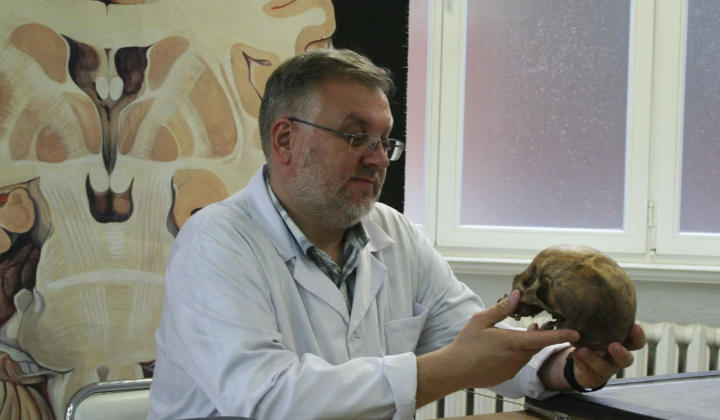
Neanderthal Research in Stajnia Cave
According to НВ — Техно: June 25, 7:30 PM
A team of thirty international researchers analyzed genetic material from Stajnia Cave in southern Poland. Their findings, published in the journal Current Biology, highlight the region north of the Carpathian Mountains as a crucial corridor for Neanderthal migration. This area served as a significant pathway linking different populations during prehistory.
The scientists achieved the first genetic reconstruction of a Neanderthal group that inhabited this area roughly 120,000 to 92,000 years ago. They examined nine teeth belonging to at least two children, adolescents, and adults. This represents the oldest genetically identified Neanderthal community ever discovered in Central Europe.
Mitochondrial DNA analysis revealed that these individuals belonged to a genetic lineage stretching from France and the Pyrenees to the Caucasus. Three teeth contained identical genomes, indicating a shared maternal ancestry and close family ties. However, due to high acidity and moisture levels in the cave, only the durable tooth enamel survived, with no other bones preserved.
Significance of the Study
Notably, one tooth showed signs of intentional removal, likely to alleviate pain from periodontitis. The genetic legacy of Neanderthals, who interacted with modern humans around 45,000 years ago, persists in many people outside Africa today. The research team plans further analysis of the specimens' nuclear DNA, which could offer fresh insights into Neanderthal history in this region.
This study underscores Central Europe's importance as a key stage in Neanderthal migrations, potentially reshaping our understanding of their distribution and interactions with modern humans. - Current Biology journal
The examined remains provide a unique opportunity for deeper analysis not only of Neanderthal genetic structure but also of their social behavior, which may prove vital for studying human evolution as a whole.
This groundbreaking study not only reveals the familial ties of the Carpathian Neanderthals but also highlights the broader genetic diversity of these ancient humans. Understanding the genetic variability among Neanderthals can provide deeper insights into their adaptation and interactions with contemporary human populations, further enriching our perspective on human evolution.

Read also