Air Moisture Powers New Electricity Generator

MEG Generator: A Breakthrough in Electricity Production
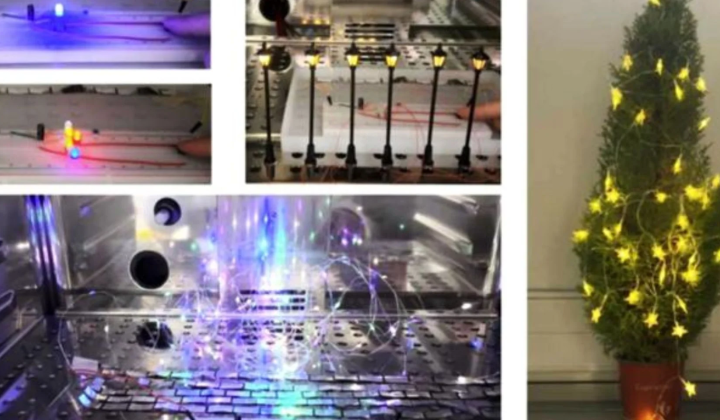
According to НВ — Техно: On May 25 at 8:15 PM, a research team from London, Warwick, and Rome unveiled a new device called the MEG (Moisture-Electric Generator) that can produce electricity from humidity in the air. Built with everyday materials like gelatin, table salt, and activated charcoal, the generator delivers a steady one volt for an entire month. When connected in a series circuit, it can generate up to 90 volts-enough to power a string of 40 LED lights.
How the MEG Generator Can Be Used
According to the researchers, the device has a wide range of applications. For instance, the MEG has been tested as a medical monitor to track breathing patterns. It can also 'hear' speech by detecting moisture fluctuations and function as a touch-free proximity sensor. Beyond its effectiveness, the invention is environmentally friendly: once buried in soil, it completely decomposes within a few weeks. The MEG's components can also be dissolved in water for recycling.
“They wanted to rethink the very approach to electronics manufacturing”
- Dr. Dimitrios Papageorgiou
Photos showing LED demonstrations powered by a series array of 10 units confirm the new generator's efficiency. This innovative device could shift the focus in electronics production and serve as a foundation for further research in this field.
The development of the MEG generator opens up new possibilities for using natural resources to generate electricity, which could significantly reduce the environmental impact of traditional technologies. In the context of the global fight against climate change and the transition to renewable energy sources, such innovations could be an important step toward a sustainable future. It also highlights the potential of using accessible materials to create new technologies, which could transform approaches to electronics and energy as a whole.
As the MEG generator demonstrates a new way to harness natural resources for electricity, innovations in clean energy continue to emerge. For instance, a recent project focuses on a containerized hydrogen power station that aims to replace conventional diesel generators. Such advancements highlight the urgent need for sustainable energy solutions in our rapidly changing world.

Read also