Occupying Forces Auction Off 202,000 Tons of Metal from Mariupol Port

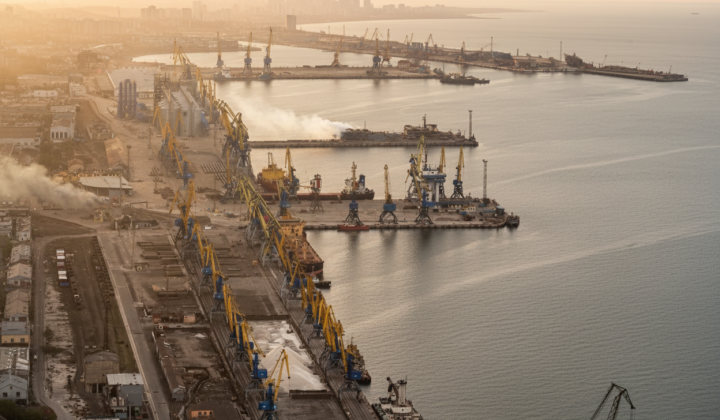
Closed Bidding for Metal and Raw Materials at Mariupol Port
According to Главком: The occupation authorities have announced closed bidding for over 202,000 tons of metal and raw materials stored at the Mariupol port, valuing the total assets at 6.78 billion rubles-roughly equivalent to $85 million. These goods, primarily from Mariupol’s steel mills, have been stranded at the port since February 2022, with the bidding process launching in May. This port, once a key logistics hub, is now being exploited as a tool for plunder.
The occupying administration has reportedly falsified documents regarding the cargo’s origin, further exposing the scale of this operation. The inventory includes:
- slabs
- hot-rolled and cold-rolled coils
- metal sheets
- pig iron
- ferroalloys
- raw materials such as kaolin and limestone
Legal and Ethical Concerns
Kyiv has labeled these actions as looting, highlighting serious legal and ethical issues surrounding the use of Ukrainian resources under occupation. Beyond metals, Russia is also actively exporting grain and other raw materials from southern Ukraine through this port, underscoring the strategic importance of controlling these territories.
This situation underscores the critical role occupied territories play in the global economy, particularly in the supply of metal and raw materials. The operations conducted by the occupation authorities not only violate international law but also threaten the region’s economic stability, as damaged Ukrainian enterprises may struggle to recover. It is essential for the international community to take note of these actions, as they could have far-reaching consequences for security and economies both in Ukraine and beyond.
The ongoing situation at Mariupol port is indicative of broader trends affecting Ukrainian ports, which continue to function despite significant challenges. For instance, recent reports reveal that Ukrainian ports managed to move 21 million tons of cargo in early 2026, showcasing resilience amid adversity. Understanding these dynamics is crucial for grasping the full impact of the conflict on regional trade and the economy.

Read also