Hungary's Lake Velence Hits Record Low Water Levels, Faces Risk of Disappearing

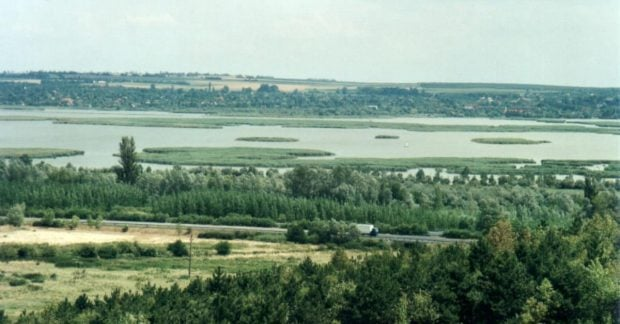
Ecological Challenges at Lake Velence
According to УНІАН — Туризм: Lake Velence, Hungary’s third-largest lake, has dropped to a record low water level of just 56 centimeters. This occurred on June 10, 2026, bringing it dangerously close to the historic minimum of 53 centimeters recorded in 2022. The crisis stems from climate change and the drainage of wetlands, both of which are severely impacting natural water supplies. Located roughly 40 kilometers west of Budapest, this popular recreational spot is now at the center of an environmental emergency.
At the start of 2026, the lake’s water level stood at around 80 centimeters, but forecasts suggest it could plunge to as low as 30 centimeters by late summer. Without rainfall, the lake can lose up to half a centimeter of water each day, highlighting the urgent need for intervention.
Key Drivers Behind the Water Decline
The primary causes of this dramatic drop include global warming and decades of poor water management. The situation has been worsened by the draining of wetlands for agricultural purposes, which has further depleted natural water reserves.
We will have to learn to live under new conditions. If the climate is changing, we must change as well.
Árpád Pál Eötvös, Mayor of Gárdony
Authorities have pledged to find solutions to this ecological crisis. Sailing instructor Péter Szaniszló has already moved his operations to Lake Balaton, as the low water levels at Velence make water sports increasingly difficult. Hungary’s Minister of the Environment, László Hajdós, plans to review possible actions to improve water resource management in the region.
Lake Velence is facing severe challenges that mirror broader global environmental shifts and the pressing need for adaptation. The declining water levels serve as a stark warning for Hungary’s ecological health, with far-reaching consequences for local communities, tourism, and the ecosystem. Government officials and local groups must take steps to conserve water resources and adjust to new climatic realities to prevent further deterioration.

Read also