Russia's Oil Export Earnings Hit a Post-2022 High, But the Surge May Be Short-Lived

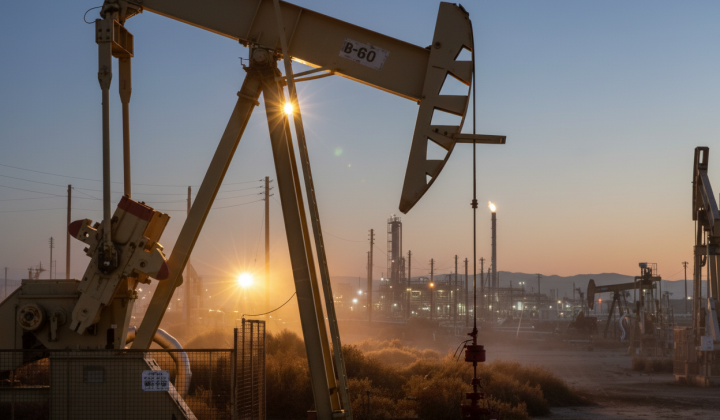
Russia's Oil Export Revenues
According to Главком: Russia's earnings from oil exports have reached their highest level since June 2022, driven by a combination of rising global prices and increased supply volumes. This financial boost was partly fueled by Middle East tensions, including the blockade of the Strait of Hormuz, a critical waterway that normally handles over 12 million barrels of oil per day. However, Ukrainian strikes on Russian ports have inflicted serious damage, threatening to undermine the Kremlin's financial gains. Russia's energy sector is a primary target for Ukraine, aiming to cripple the funding source for the ongoing war.
Impact of Port Attacks and Geopolitical Shifts
Between March 23 and 29, five Ukrainian attacks targeted the ports of Primorsk and Ust-Luga, costing Russia an estimated $970 million in lost revenue. These ports handle over 40% of the country's seaborne crude oil exports, making their disruption a significant blow to the Russian oil sector.
Furthermore, the announcement of a two-week truce in the Iranian conflict on Tuesday evening could trigger a drop in oil prices. The Kremlin's own war budget is already unable to fully capitalize on higher prices due to the sustained impact of Ukrainian drone strikes on export terminals along the Baltic and Black Sea coasts. This could further slash Moscow's revenues if the ceasefire holds and oil shipments resume through the Strait of Hormuz.
“This could further slash Moscow's revenues if the ceasefire holds and oil shipments resume through the Strait of Hormuz,” experts note.
Iran may reopen the Strait of Hormuz for limited ship passage on April 9 or 10, a move that could also influence oil market trends. Amid these global shifts and geopolitical risks, Russia will be forced to adapt to new realities in the oil sphere.
This situation underscores how geopolitical factors are crucial in shaping oil prices and the revenues of exporting nations. The loss of income from Russian oil exports due to strikes on key ports, coupled with potential changes in the Iranian conflict, indicates the Kremlin will struggle to stabilize its economic situation amid growing global instability. Consequently, future developments in the region could significantly impact the global energy market and Russia's financial capabilities.
While Russia's oil export revenues have surged, the ongoing disruptions caused by Ukrainian drone strikes pose a significant threat to these gains. For a deeper understanding of how these attacks are impacting the Kremlin's financial landscape, explore the challenges facing Russian oil exports amidst rising geopolitical tensions.

Read also