Four Underrated Wine Regions in Europe, According to a Sommelier

Europe's Hidden Wine Gems
According to УНІАН — Туризм: American sommelier Pamela Vachon has identified four underappreciated wine-producing areas in Europe: Alentejo in Portugal, the Thames and Chilterns region in England, Valle d'Aosta in Italy, and Irouléguy in France. In her view, these locations deserve greater recognition from wine enthusiasts due to their unique traditions and production methods.
Regional Breakdown
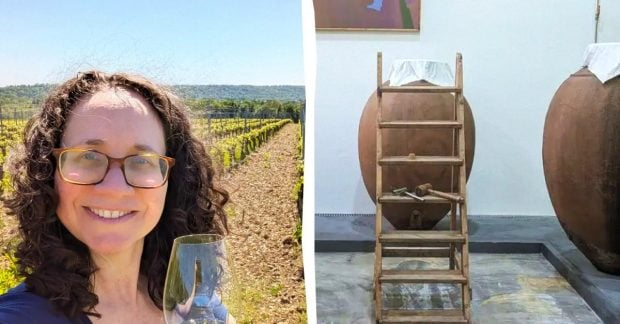
- Alentejo, located in Portugal, is known for winemaking that preserves age-old techniques. Here, wines are aged in clay vessels called talhas, which imparts a soft, earthy, and mineral character. Vachon noted that St. Martin's Day, celebrated on November 11, is a key event for local vintners, who traditionally mark the annual opening of the talhas.
- The Thames and Chilterns region sits in England, with vineyards in the Thames Valley west of London. This area boasts a distinctive winemaking style worth exploring.
- Valle d'Aosta, nestled in the Italian Alps along the border with France and Switzerland, is famous for its heroic vineyards. Vachon explained that this term refers to extremely challenging growing conditions. Winemaking here is rare, as small harvests and a limited number of producers make bottles from this region hard to find outside its borders.
- Irouléguy, located in France's Basque Country, is often called the country's smallest vineyard. Its total vineyard area spans roughly one square mile, yet this does not diminish its unique character.
Vachon encourages wine lovers to explore these lesser-known but highly intriguing wine regions. She remarked:
'As a certified sommelier, I've had the privilege of traveling worldwide-from the Loire Valley to the hills of Chianti-to taste some of the most famous wines at their source. Yet some of my favorite European wine-producing spots have been the less famous ones.' Pamela Vachon
Highlighting under-the-radar wine regions like Alentejo, the Thames and Chilterns, Valle d'Aosta, and Irouléguy underscores the diversity of European winemaking and the potential for enthusiasts to discover new flavor experiences. Despite their limited fame, these areas offer distinctive wines that can be a true revelation for those looking beyond traditional wine routes. Emphasizing the uniqueness of their production methods and cultural traditions also helps preserve and advance local winemaking practices.

Read also