Tesla Ends Production of Model S and Model X, Shifts Focus to New Ventures

Production Halt for Model S and Model X
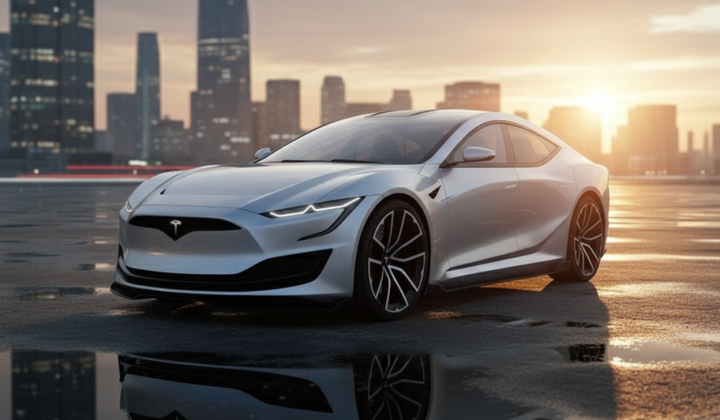
According to Главком: American automaker Tesla has officially ceased manufacturing its Model S and Model X vehicles. The final production run ended on May 10, 2026, at the company's facility in Fremont, California. As a result, Tesla is now directing its resources toward the Optimus robot project while continuing to build the Model 3 and Cybertruck.
This symbolic farewell marks the close of an era for two models that played pivotal roles in the history of electric transportation. Launched in 2012, the Model S revolutionized perceptions of electric cars, proving they could offer high performance, luxury, and long range. The Model X, introduced in 2015, stood out with its distinctive falcon-wing rear doors and was recognized as one of the most technologically advanced SUVs of its time.
“Model S and Model X marked the beginning of the world’s transition to electric transportation.” - Tesla
The company also emphasized that these models helped develop the technology driving the world toward autonomy. “As we pave the way for this autonomous future, production of the Model S and Model X is coming to an end,” a Tesla representative stated.
Tesla’s New Strategic Direction
Beyond halting production of these models, Tesla has introduced new supplier requirements, mandating that all components for vehicles made in the United States must not originate from China. This move highlights the company’s intent to strengthen its U.S. manufacturing base and reduce reliance on imports.
- Focus on producing the Model 3 and Cybertruck.
- Development of the new Optimus robot.
This shift underscores Tesla’s drive to remain at the forefront of innovation in the electric vehicle sector. The end of Model S and Model X production not only closes a significant chapter in Tesla’s history but also signals a strategic pivot toward emerging technologies and products. Investments in the Optimus robot and continued output of more affordable models like the Model 3 reflect Tesla’s efforts to align with market demands and technological progress. Additionally, the supplier policy change points to a strategy for expanding U.S. manufacturing capacity, which could have major implications for the local economy and the global EV market.
As Tesla shifts its focus towards new innovations, the Model X has recently gained attention for becoming the fastest-selling used car in the United States. This trend highlights the ongoing demand for Tesla's vehicles, even as the company transitions away from the Model S and Model X. To learn more about the popularity of the Model X in the used car market, read our detailed analysis here.

Read also