3rd-Century Surgical Tool Discovered in Bulgaria Is a Rare Find Worldwide

Discovery at Heraclea Sintica
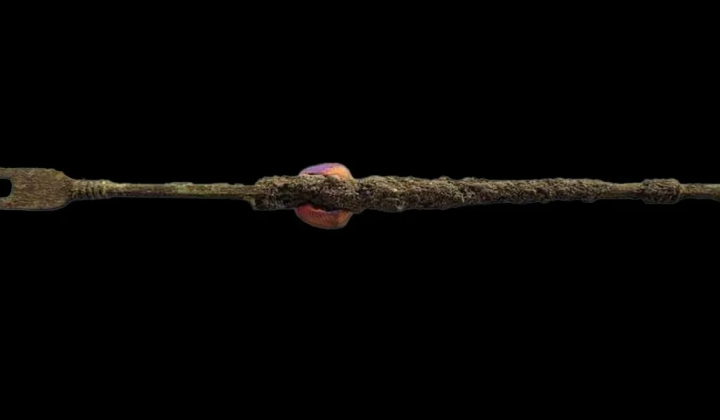
According to НВ — Техно: In the Roman city of Heraclea Sintica, located in Bulgaria, archaeologists have uncovered a bronze surgical instrument known as a lithokos, used for lithotomy-a procedure to remove bladder stones. The artifact dates back to the 3rd century CE and was found in a room adjacent to the Temple of Hercules. This instrument is only the second known example of its kind globally; the first was discovered in Italy.
According to the research team, the lithokos was part of a surgical kit designed for lithotomy. The tool features curved ends with a double hook, which are unfortunately missing. However, archaeologists recovered a decorated bronze handle with a series of raised rings, preserved in excellent condition. The lithokos is an exceptionally rare specialized surgical instrument, underscoring the significance of this find.
Professor's Comments and the Find's Importance
Excavations at Heraclea Sintica are still ongoing. Professor Lyudmil Vagalinski commented on the discovery, stating:
“This tool is an extremely rare find not only for Bulgaria but for the entire world. Based on available scientific literature, only one similar discovery is known, and that was in Italy.”
He added, “The fact that we found it in a room next to the Temple of Hercules suggests that sick people may have been treated there, seeking help from the mythical hero.”
During the Roman Empire in the 3rd century CE, Heraclea Sintica experienced significant economic growth. Pliny the Elder described bladder stones as one of the most painful ailments, while the Greek physician Ammonius of Alexandria, who lived in the 3rd century BCE, is known for developing surgical techniques and instruments to treat this condition. Ammonius of Alexandria was nicknamed Lithotomos, or “stone-cutter,” highlighting his contribution to medicine.
In addition to the lithokos, archaeologists also uncovered a fragment that may belong to a statue of the goddess Artemis, as well as the steps of a marble figure on a pedestal in front of the Temple of Hercules. Preliminary assessments suggest the statue was likely life-sized, with Artemis being the leading hypothesis for its identity.
This find underscores the importance of Heraclea Sintica as a center of medical knowledge and practice during the Roman period, as well as the advanced level of surgery at the time. The discovery of the lithokos and the statue of Artemis could provide new insights into the religious and medical practices of the ancient world, as well as the connection between faith and healing procedures. Research continues, and future excavations may yield even more valuable artifacts in this historically significant area.
In addition to this remarkable surgical tool, recent excavations in Bulgaria have also revealed a stunning marble statue of the goddess Artemis. Such discoveries highlight the rich archaeological heritage of the region, offering deeper insights into the cultural and medical practices of ancient civilizations.

Read also