Swallowtail Butterfly Spotted in Chernobyl Exclusion Zone

Discoveries in the Chernobyl Zone
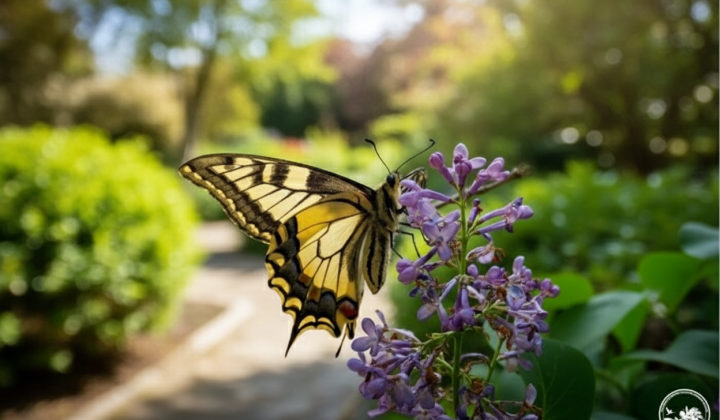
According to Главком: A swallowtail butterfly, one of the largest insect species in Ukraine, has been observed in the Chernobyl Exclusion Zone. The announcement came from the press service of the Chernobyl Radiation and Ecological Biosphere Reserve. Known scientifically as Papilio machaon, this butterfly features distinctive yellow-and-black wings with tail-like extensions, making it nearly impossible to mistake for any other species. According to the reserve, the swallowtail is among the most recognized members of its family across Europe and is also found in temperate and subtropical regions of Eurasia as well as North America.
Until 2021, the swallowtail was listed in Ukraine's Red Book of endangered species. Its name was given by Carl Linnaeus, honoring Machaon-a figure from ancient Greek mythology who served as both a physician and a warrior during the Trojan War. The reserve's press service commented:
'Among our daytime butterflies, there is a true aristocrat-the swallowtail (Papilio machaon). One of the largest and most striking representatives of Ukraine's insect fauna, it is hard to confuse with any other. Its yellow-and-black wings with tails look as if painted by an artist with a vivid imagination.' Press Service of the Chernobyl Radiation and Ecological Biosphere Reserve
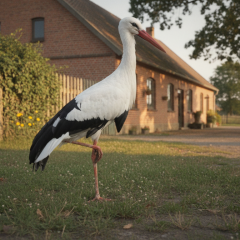
Additionally, a mountain thrush was recorded in the Chernobyl Reserve-a bird not seen in the Kyiv region for roughly 50 years. This finding points to shifts in the area's natural environment. On April 6, 2026, six white storks also landed on the roof of an administrative building near the Wormwood Star memorial. The last recorded nesting of white storks in Chernobyl occurred 20 years ago, further highlighting the remarkable nature of these events in the zone's ecosystem.
Ecological Changes in the Region
These discoveries in the Chernobyl Reserve underscore the ecological transformations taking place after an extended period of recovery. The appearance of the swallowtail butterfly and the mountain thrush suggests improving conditions for various species, potentially indicating the restoration of natural ecosystems. Such observations are vital for monitoring biodiversity in an area that endured severe environmental challenges following the disaster.
The stork nesting also points to positive shifts in bird habitats, which could encourage further research and conservation efforts in this unique territory.

Read also