Tokyo District Introduces Fines for Littering in Public Spaces

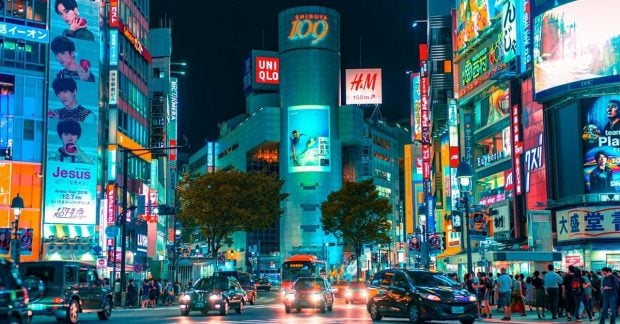
Shibuya Ward Enacts Penalties for Street and Park Litter
According to УНІАН — Туризм: Tokyo's Shibuya Ward has introduced fines for discarding trash on streets and in parks as part of a cleanliness campaign. Violators will be charged 2,000 yen-roughly £9.30 or over $12 USD. These measures stem from a new ordinance titled 'Creating a Clean Shibuya Together,' which took effect in April. Previously, fines in the area applied only to smoking in public places.
Patrols and Visitor Communication
To improve order and hygiene around Shibuya Station, the number of patrol officers has been increased to 50. These personnel will enforce the new rules and maintain order in crowded areas. Patrol members include staff fluent in English, Chinese, and Korean, allowing them to communicate with international visitors. Offenders will be asked to pay fines on the spot, with multiple payment options available:
- cash
- bank card
- QR code
Shibuya is one of Japan's busiest districts, where during peak hours, between 1,000 and 2,500 people cross the famous Shibuya Crossing per traffic light cycle. The area's daily visitor count more than doubles its permanent resident population of approximately 240,000.
“We take pride in this vibrant atmosphere, but we also bear the responsibility of protecting the urban environment,” said Shibuya Mayor Ken Hasebe.
He added that the new changes will make rules clearer for all visitors. “We ask everyone coming to Shibuya, regardless of nationality, to follow the city's rules. Shibuya continues to strive to be a place where active life and order coexist,” Hasebe emphasized.
The introduction of these fines reflects local government efforts to maintain cleanliness in one of Tokyo's most frequented tourist hubs. The expanded patrols and multilingual staff also highlight the importance of communicating with international visitors-a key factor for tourist destinations. These steps could serve as a model for other cities aiming to improve environmental conditions and public space cleanliness.

Read also