Ukraine's Cybersecurity Overhaul: Key Changes and Their Impact

Cyber Incidents and Legislative Initiatives in Ukraine
According to Главком: In 2025, the CERT-UA team, operating under the State Special Communications Service, handled approximately 6,000 cyber incidents. This marks a significant increase from 2022, when the number of incidents was around 2,500. However, the number of major cyber incidents in 2025 decreased by 70% compared to the previous period. This indicates the effectiveness of new cybersecurity approaches being implemented across the country. This progress is particularly notable given the ongoing hybrid warfare context, where cyberattacks are a frequent tool of aggression.
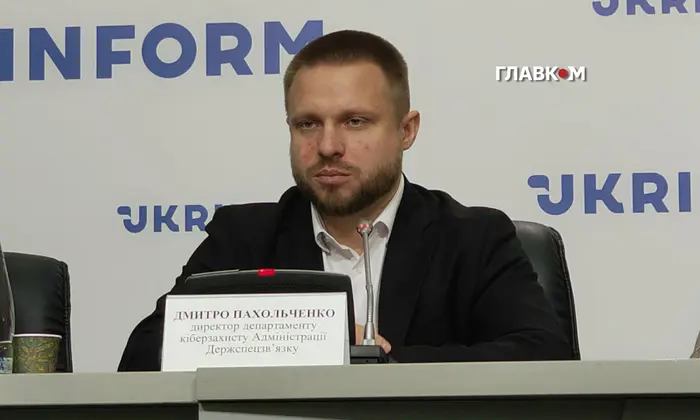
A key legislative change occurred in 2025 with the adoption of Law No. 4336-IX, which amends the 2017 law 'On the Basic Principles of Ensuring Cybersecurity of Ukraine.' The new provisions are designed to implement the norms of the European NIS2 Directive, with Ukraine's compliance reaching 80% in 2025. A central innovation is the shift to a risk-oriented model, which is standard in the European Union. CERT-UA Director Dmytro Pakholchenko noted:
'We are implementing these approaches for state bodies and critical infrastructure operators so that they implement cyber protection measures based on risk management.'
New Requirements and Future Plans
Under the new regulations, every state body must have a dedicated position-a Chief Information Security Officer (CISO). State bodies and critical infrastructure operators are also required to appoint officials responsible for cybersecurity and establish dedicated cybersecurity units. 'To implement the law, the Cabinet of Ministers of Ukraine has adopted a national plan for responding to cyber incidents and cyberattacks. This means all procedures regarding how to respond, the classification of cyber incidents, who to notify about them and within what timeframes, and everyone's roles and responsibilities are already defined,' emphasized Pakholchenko.
As part of implementing the new norms, the Cabinet of Ministers has approved this national response plan. Educational platforms, the training center of the State Special Communications Service, cyber hygiene initiatives, and the CISO Campus project are all operational to support this transition. Andrii Holovenko, one of the program leaders, stated:
'Owners, managers, or business entities implementing protection systems can use various technical standards. We have removed a great deal of bureaucracy... A decision on including a particular system in the list of authorized systems is made within 10 days.'
The development of Ukraine's new cybersecurity system began in 2020-2021. The updated framework is based on American standards and requires security system authorization within 10 days. Regional cybersecurity centers have also been established in every oblast. Ihor Stelnyk noted: 'There are, of course, certain shortcomings, which are due to the need to slightly adjust the course, conduct scientific and preventive work, and provide explanatory and advisory assistance to business entities.'
The main task for 2026 is the full implementation of the new norms, as the deadlines for deploying protection systems under the old rules are expiring. The State Special Communications Service's website lists information on more than 100 authorized systems. This demonstrates the state's active work in cybersecurity and its readiness to face new challenges. This comprehensive reform aligns Ukraine's digital defenses more closely with EU and NATO partner standards.
The cybersecurity situation in Ukraine underscores the critical importance of adapting to modern threats in this domain. The adoption of new legislative initiatives and the implementation of risk-oriented approaches reflect the state's serious intent to strengthen its cyber resilience. Successful implementation of the new norms in 2026 will be a crucial step toward improving Ukraine's cybersecurity posture and bolstering confidence among its international partners.
In addition to legislative advancements, Ukraine is actively sharing its cybersecurity expertise on international platforms. For instance, at the recent InCYBER Forum, the country showcased its strategies for countering cyber threats and established new collaborative partnerships. This effort underscores Ukraine's commitment to enhancing its cyber defense capabilities while fostering international cooperation. To learn more about these developments, visit Ukraine's participation in the InCYBER Forum.

Read also