New Zealand Supervolcano Eruption Scenario Reconstructed by Scientists

Research on the Whakamaru Volcano
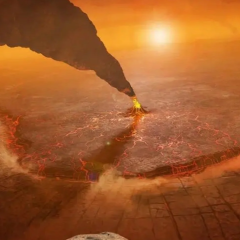
According to НВ — Техно: On June 2, 08:00 – A team of researchers has developed a model simulating a supereruption of the Whakamaru volcano that occurred during the last ice age. This eruption ranks among the largest ever recorded, ejecting approximately 2,300 cubic kilometers of rock. Located within the Taupo Volcanic Zone, this volcano reached a Volcanic Explosivity Index (VEI) of 8-the highest possible rating.
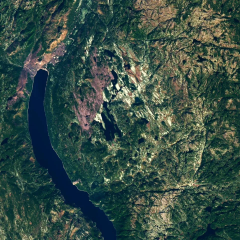
Stretching from Whakaari Island to Mount Ruapehu, the Taupo Volcanic Zone has been active for about 2 million years. It was formed by the collision of the Pacific and Australian tectonic plates. Over its lifespan, the zone has experienced four eruptions with a maximum VEI of 8. At the onset of the disaster, a lake roughly the size of present-day Lake Taupo occupied the center of the island. When lava made contact with this water, it triggered a series of hydrovolcanic explosions, detonating at least five distinct magma chambers.
Analysis and Significance of the Study
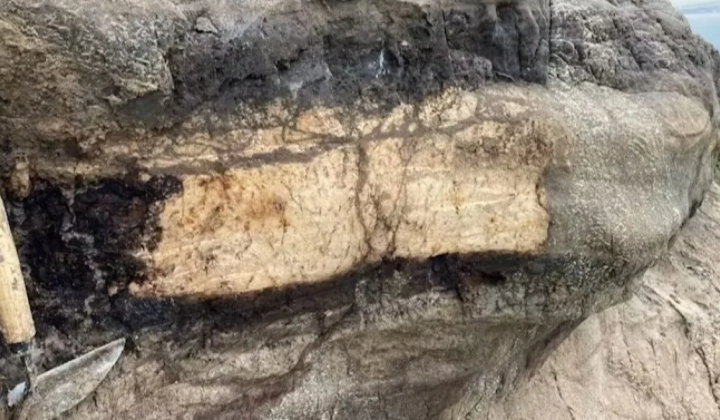
Scientists examined over 30 locations across New Zealand and the southern Pacific Ocean, analyzing the chemical composition of volcanic glass. This analysis is crucial for reconstructing events. As one researcher explained:
“This is pure forensics: at a crime scene, you can find fingerprints, but only DNA analysis provides ironclad confirmation of identity.”
If the rock mass ejected during the supereruption were spread evenly across all of New Zealand, the debris layer would be nine meters thick. The Taupo Volcanic Zone remains active today, continuing to draw the attention of scientists and researchers. One ash deposit from the Whakamaru supereruption was found roughly 800 kilometers from its source, on the Chatham Islands.
The study of the Whakamaru volcano highlights the importance of investigating volcanic activity-not only to understand past disasters but also to predict potential future threats. Such research is becoming increasingly relevant amid climate change, which can influence volcanic behavior. Understanding the mechanics behind supereruptions allows scientists to better prepare for possible consequences, which could have significant implications for both public safety and the region's ecosystems.

Read also