Scientists Identify Brain Neurons That Act as a Switch for Attention

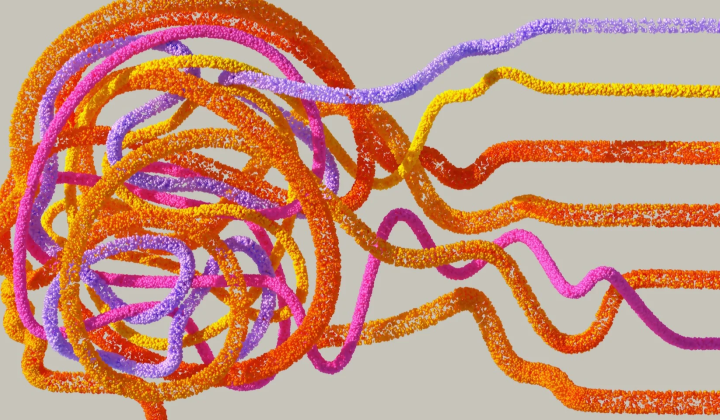
How Inhibitory Neurons in Mice Brains Control Focus
According to НВ — Техно: A study published on June 30 at 21:45 reveals that specific inhibitory neurons in the mouse brain are responsible for directing attention. These neurons belong to the parabigeminal-lateral tegmental inhibitory complex (PLTi), located in the brainstem. When the PLTi was deactivated in experiments, the mice lost their ability to concentrate on images; however, when the neurons were reactivated, their focus returned.
This ability to zero in on a single object is at least 100 million years old and is shared not only by humans and primates but also by birds, reptiles, and fish. The PLTi neurons rely on GABA, an inhibitory chemical messenger in the central nervous system whose function is disrupted in ADHD. They regulate the activity of the superior colliculi, which build a spatial map of the surrounding world.
Experiment and Findings
In an attention test, mice were rewarded for touching a touchscreen while ignoring distracting images. Animals with an intact PLTi performed the task easily. Researchers then introduced a virus into the brain that temporarily shut down the PLTi, causing the mice to lose focus. As neurobiologist Shrish Maissore explained:
'The only thing that was impaired was their ability to take competing pieces of information, compare them, and pay attention to the location with the most important information.' - Shrish Maissore
Remarkably, the very next day, when the neurons were switched back on, the same animals could ignore even very strong distractions.
The findings were published in the journal Nature Communications. Existing evidence suggests that similar neurons exist in humans, though further research is needed to confirm this. The study was reported by Science Daily.
This laboratory research has potential implications for understanding attention mechanisms in both animals and humans. The identified neurons could serve as targets for developing new therapeutic approaches to attention disorders, particularly ADHD. Deeper knowledge of how the PLTi functions may help create more effective methods for improving focus and attention in people suffering from related conditions.
Understanding how attention is regulated in the brain opens doors to exploring other critical aspects of brain functionality. Recent findings on the mechanisms of brain formation provide a fascinating backdrop for this research. Discover more about this innovative approach in our article on new principles of brain development.

Read also