Fake Telegram Profile Used to Defraud Ukrainian Soldier of Nearly 700,000 Hryvnias

Fraud in Ukraine: A Kyiv Case
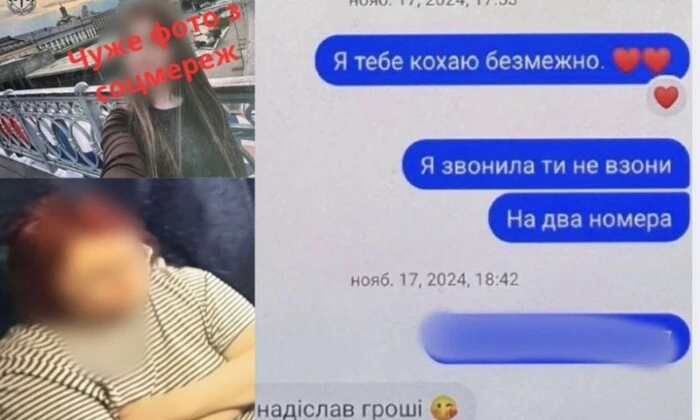
According to Главком: A woman in Kyiv is set to face trial for swindling nearly 700,000 hryvnias from a military serviceman. She allegedly created a fake Telegram account and fabricated a cancer diagnosis to deceive her victim. The Darnytsia District Prosecutor's Office has submitted an indictment to the court, charging her under Part 4 of Article 190 of the Criminal Code of Ukraine, which covers large-scale fraud.
Additional Fraud Incidents
According to reports, the woman met the 31-year-old soldier, originally from the Zhytomyr region, in the summer of 2024. Believing her fabricated illness, the serviceman transferred nearly 700,000 hryvnias to the accused. This case highlights a broader issue of fraud in Ukraine, particularly the exploitation of online platforms and social networks to target trusting individuals.
Other fraud cases have also been documented across the country. For instance:
- A 44-year-old resident of Khmelnytskyi lost 500,000 hryvnias after trusting an online healer.
- In March 2026, a group of fake fortune-tellers swindled a soldier's widow out of one million hryvnias. Several members of that group now face up to 12 years in prison with asset confiscation.
This incident underscores the need for caution in online interactions and the importance of protecting oneself from scams that can cause severe financial harm to unsuspecting citizens.
Given the rise in fraud cases in Ukraine, especially through social media, it is critical for individuals to remain vigilant and critically assess information encountered online. Increasing public awareness of common scam tactics can help prevent similar incidents in the future.
This alarming case is not an isolated incident, as fraudsters increasingly target vulnerable individuals in Ukraine. For instance, an elderly victim recently lost 6.7 million hryvnias to scammers impersonating the Security Service of Ukraine. Such incidents reveal a troubling trend in exploiting trust and online communication. To learn more about this significant case and understand the tactics used by these criminals, read further here.

Read also