Drones on the Front: Why Drones Have Not Become a Strategic Breakthrough in War

Drones on the Front: Why Drones Have Not Become a Strategic Breakthrough in War
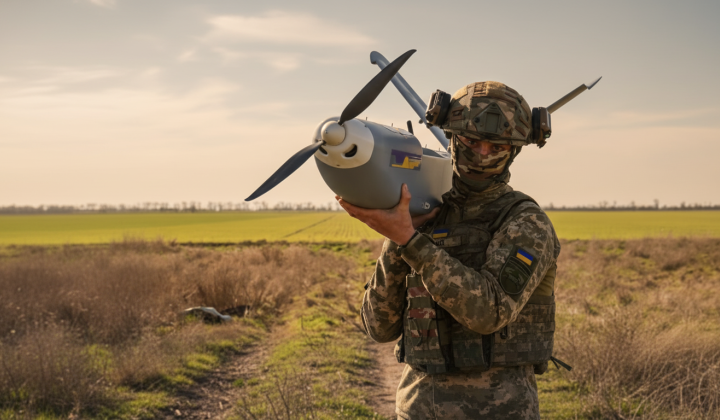
According to ХВИЛЯ: The Hudson Institute's research analyzes the impact of drones on combat tactics in the Russian-Ukrainian war, noting their widespread usage but emphasizing that they have not become a strategic breakthrough. The war has been ongoing for three years, with approximately 10,000 drones used daily on the front. In 2024, 20,000 drones were delivered to Ukrainian forces each month, and this figure has now reached 200,000. The production potential for drones exceeds 4 million per year, indicating significant activity in this area.
The Use of Drones in Combat
In 2022, there was a massive deployment of drones in Ukraine, but between 2022 and 2023, the country lost about 10,000 drones per month. Since 2023, FPV drones have also been widely adopted in Ukraine. Drones account for up to 75% of combat losses on both sides, highlighting their importance in combat operations. The cost of drones ranges from $350 to $5800 per unit, which also affects their usage.
Despite the large number of drones, their use has not become a strategic breakthrough. General Pierre Schill called for the cavalry to 'rethink itself' in April 2025, indicating the need to adapt to new conditions of warfare. France is investing €5 billion in drone development and counter-drone measures. Additionally, Russia and Iran jointly produce Shahed drones at a factory in Yelabuga, Tatarstan.
'Drones are a tactical revolution, but not a strategic breakthrough.' - Hudson Institute
The study's conclusions emphasize that while drones have significantly changed combat tactics, true revolutions lie not in the platforms themselves, but in the doctrines and strategies that integrate them. Critical systems need updates every four to six weeks to stay ahead of evolving electronic warfare tactics. Thus, drones remain an important, but not decisive, element in modern warfare.
The use of drones in the Russian-Ukrainian war illustrates the complexity of modern combat, where technologies play a crucial role but do not always provide a strategic advantage. This situation highlights the need for continuous innovations in military tactics and strategies, as well as the importance of adapting to the changing environment of warfare. At the same time, investments in the development of drones and their countermeasures by other countries reflect global trends in military technology that may influence future conflicts.

Read also