Trump’s Plans Thrown Into Chaos as Iran Blocks the Strait of Hormuz

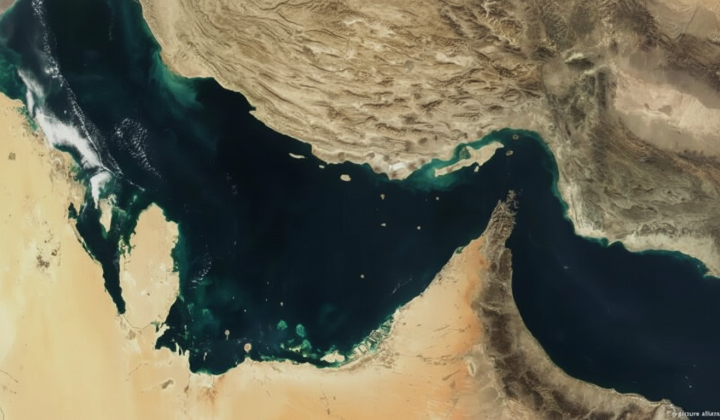
Iran’s Leverage Over the Strait of Hormuz
According to ХВИЛЯ: Iran’s grip on the Strait of Hormuz has become a central bargaining chip in nuclear talks with Donald Trump. Within days of the conflict erupting in late February, Tehran effectively paralyzed shipping through this vital maritime corridor. The consequences have been severe, given that roughly 20% of the world’s oil supply passes through these waters. Trump underestimated Iran’s ability to seal off the strait, creating major headaches for the United States in the region. This waterway is a critical chokepoint for global energy markets, making any disruption a matter of international concern.
Military Moves and Diplomatic Efforts
In mid-February, before the war began, Iran’s Islamic Revolutionary Guard Corps conducted live-fire drills under the name 'Smart Control of the Strait of Hormuz.' Iranian forces seized command of the strait just days after hostilities started. In April, Trump used profane language to demand the waterway be reopened, but it proved far harder than anticipated.
Dennis Ross, who served on the National Security Council under Obama, noted:
“Every single time, the first thing we focused on was the strait-without exception.”
John Bolton, Trump’s national security adviser, stated:
“It’s unbelievable that the closure of the strait caught Trump off guard.”
He also stressed that the Trump team failed to adequately address the threat from Iranian drones. Kenneth Pollack, a former CIA analyst, pointed out that Iran shut the strait precisely because 'we were pushing for regime change.'
The Pentagon has repeatedly run war games simulating a conflict with Iran, yet no outside country has joined the war. A coalition led by Britain and France is ready to help patrol the strait only after a formal U.S.-Iran agreement. Trump called for the regime’s downfall, while in 2011, Obama secretly warned Khamenei that interfering with shipping would cross a red line.
U.S. airstrikes in late February killed Khamenei and other Iranian officials. On March 3, Trump announced that American ships would begin escorting tankers. In May, he also unveiled a humanitarian operation called Project Freedom, which was scrapped within a day after Saudi Arabia protested. Over recent weeks, the U.S. has shepherded roughly 70 vessels through the strait, but tensions remain high.
Iran’s control of the Strait of Hormuz highlights the region’s strategic importance, given its critical role in global energy supplies. The standoff between the U.S. and Iran continues to escalate, driven by both military action and political maneuvering. Washington’s responses-including backing international coalitions and launching military operations-underscore the urgent need for effective solutions to secure this strategic zone.
As the situation evolves, the U.S. has outlined specific conditions for negotiations with Iran, particularly focusing on uranium transfers. Understanding these demands is crucial, as they may influence the ongoing tensions surrounding the Strait of Hormuz and the broader implications for international relations.

Read also