Biometric control EES has started operating at the border with Poland: what to expect

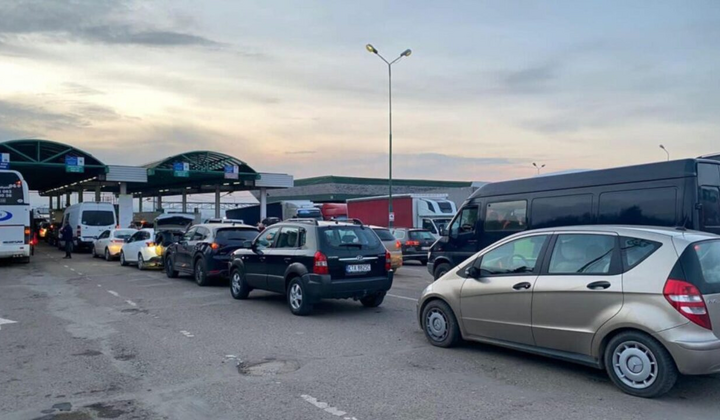
As of November 3, the biometric control system EES officially started operating at the border with Poland. Now, everyone leaving for the EU goes through passport scanning, photography, and fingerprinting.
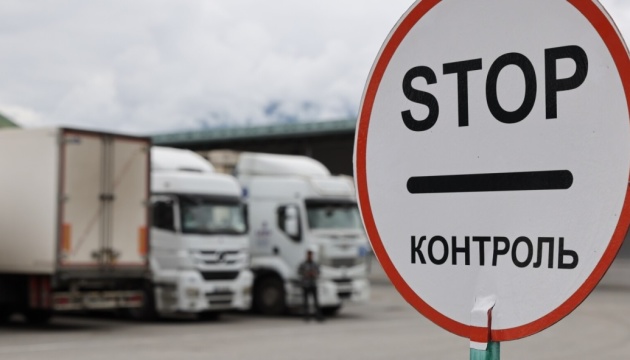
Due to the new procedure at the checkpoints "Yahodyn - Dorohusk" and "Ustyluh - Zosin", delays are already being observed - queues are growing and processing time has increased. The State Customs Service warns of possible difficulties at the start and advises planning trips with extra time. This is reported by Visit Ukraine.
How EES operates at the border with Poland
The first registration is done at a self-service terminal or with a border guard. The system reads the passport, takes a photo, and scans fingerprints. Children under 12 years old do not have their fingerprints scanned. The data will be stored in the EU database, so the process should be faster during future trips. Currently, however, it is slower, especially during peak hours.
The new rules apply not only at the Polish section. Since the end of October, all checkpoints at the border with Hungary have been connected to the system. Previously, the technology was tested at the "Krakivets - Korchowa", "Shehyni - Medyka" crossings, and others.
«The procedure will involve every person at each entry and exit, regardless of citizenship,» said the spokesman of the State Border Guard Service Andrii Demchenko.
Traditional passport stamps are replaced by digital records - the control will be more accurate.
If you are interested in working in Poland, we recommend checking out 350,000 job vacancies on the Layboard portal.

How to reduce waiting time at the border with Poland
To avoid getting stuck at the border with Poland for long, travelers are advised to:
-
check the online queue map before departure;
-
have all documents: health insurance, confirmation of the purpose of the trip, and finances;
-
drivers to apply for the Green Card in advance, conveniently doing so online.
Services for application processing and monitoring are already in operation - it’s better to use them than to get stressed at the barrier.
Why EES
EES is part of the European border control reform. The system automatically tracks the time spent in Schengen and helps enhance security and checks on foreigners. The first period will be more challenging, but the process is promised to speed up thereafter.

Read also