Groundbreaking Study Reveals the Brain Doesn’t Fully Shut Down Under Anesthesia

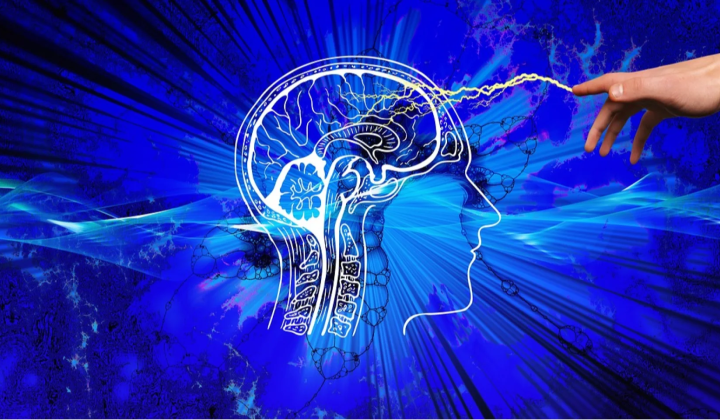
Hippocampus Activity During Anesthesia
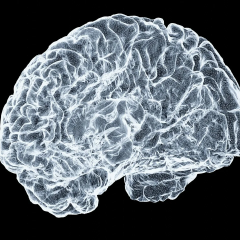
According to НВ — Техно: A recent study published in Nature has uncovered that the brain remains partially active even under general anesthesia. Researchers from Baylor College of Medicine in the United States conducted experiments on seven patients undergoing surgical treatment for epilepsy. The findings show that neurons in the hippocampus can still distinguish between different sounds and even sort parts of speech while the patient is unconscious.
The team used cutting-edge microelectrodes, known as neuropixels, which had never before been applied to the hippocampus. These tools allowed them to record the activity of hundreds of individual neurons in response to auditory stimuli. Located deep within the brain, the hippocampus is primarily responsible for learning and memory, and the results highlight its continued function even during anesthesia.
Experimental Phases
In the first test, patients were exposed to repeated tones that occasionally shifted to unexpected sounds. The hippocampal neurons successfully demonstrated their ability to differentiate between these tones. During the second phase, participants listened to clips from podcasts and educational videos. The hippocampus continuously categorized nouns, verbs, and adjectives, while the unconscious brain attempted to predict the next word in a sentence.
The research was led by neurosurgeons Sameer Sheth and Benjamin Hayden, with Dr. Vighnesh Katlowitz serving as the study’s author. These findings could have major implications for understanding brain function under anesthesia and for advancing epilepsy treatment methods.
This study opens up new avenues for exploring neurophysiological processes during anesthesia, a state long believed to be one of complete unconsciousness.
Source: Vighnesh Katlowitz
The results may help improve anesthesia practices and inspire new strategies for treating neurological disorders like epilepsy by accounting for brain activity that persists during anesthesia.
This groundbreaking research aligns with recent findings indicating that even during anesthesia, the brain continues to process language and make predictions. Such insights not only deepen our understanding of unconscious brain activity but also pave the way for advancements in treatment methods. For a closer look at how the brain manages to interpret language while anesthetized, read more in our detailed article on language processing during anesthesia.

Read also