Groundbreaking Study Reveals the Brain Keeps Working Under Anesthesia

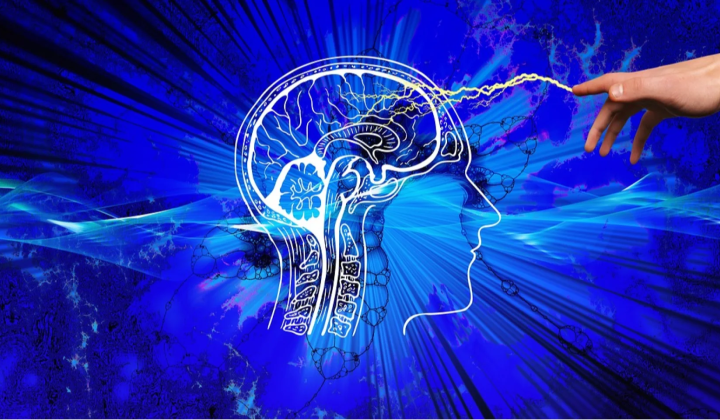
Hippocampal Activity Detected During Anesthesia in Novel Experiment
According to НВ — Техно: Scientists at Baylor College of Medicine in the United States have made a surprising discovery: the brain remains active even under anesthesia. Their experiment, involving seven patients undergoing surgical treatment for epilepsy, uncovered unexpected neural activity. The findings were published in the journal Nature, marking a significant step forward in neuroscience.
The team employed cutting-edge microelectrodes called neuropixels, which had never before been used in the hippocampus. Neurosurgeons Samir Sheth and Benjamin Hayden recorded the activity of hundreds of individual neurons in response to auditory stimuli. The hippocampus, a deep-brain region responsible for learning and memory, was the focus of this research due to its critical role in cognition.
How the Experiment Unfolded
In the first phase, patients were played a series of repetitive tones that occasionally shifted to unusual sounds. The neurons showed a clear ability to distinguish between these tones. During the second phase, participants listened to clips from podcasts and educational videos. Remarkably, the hippocampus continuously sorted nouns, verbs, and adjectives, with neural activity indicating that the unconscious brain was attempting to predict the next word in a sentence.
This study opens up new possibilities for understanding how the hippocampus processes information, even when a person is under anesthesia. Traditionally, anesthesia was believed to fully block consciousness and neural activity. These results challenge that assumption and could transform our understanding of memory and information processing. The research also highlights the potential for developing new treatments for neurological disorders, as it provides deeper insight into the mechanisms underlying learning and memory.
By demonstrating that the brain can still respond to stimuli while unconscious, this work paves the way for further investigations. Such studies could eventually lead to innovative therapeutic approaches for conditions affecting the brain, emphasizing the importance of continued exploration in this field.
This groundbreaking research adds to the growing body of evidence that the brain's capabilities extend beyond our conscious awareness. For instance, a related study highlights how, even during anesthesia, the brain continues to process language and anticipate words. To explore this fascinating connection further, read about the implications of language processing under anesthesia and what it means for our understanding of cognitive functions.

Read also