Ukrainian Mercenary from Uganda Surrenders near Lyman: How He Ended Up in the War

The Story of Richard from Uganda
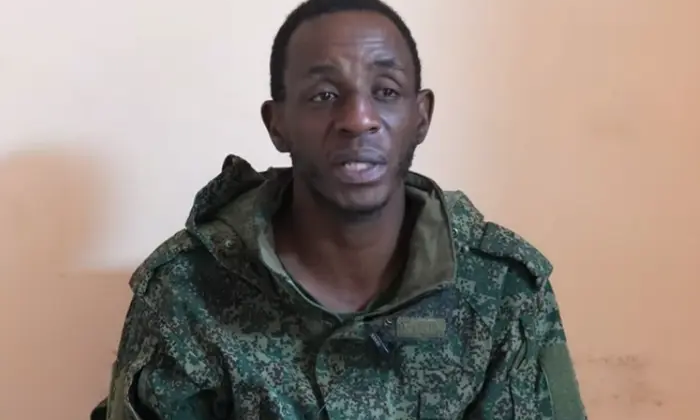
According to Главком: A Russian mercenary from Uganda named Richard surrendered at a checkpoint near Lyman, recounting his life in Uganda and the circumstances that led to his enlistment in the army. Richard ran to the checkpoint unarmed and asked for help, indicating his desire to avoid conflict and violence.
Richard lived in Uganda with his wife and two daughters in a small two-room house. His income was only $50 a month, as he worked as a cleaner in a supermarket in Kampala. In an effort to improve his financial situation, Richard took out a loan to travel to Russia. However, there he found himself in a precarious situation and was forced to sign a contract for military service under threat of violence.
Despair in Conflict
At the checkpoint, Richard, upon surrendering, stated: 'I'm sorry, guys, but now you are in the Russian army.' He also urged to sign the papers, signifying his desperate situation: 'Sign the papers.' Richard's last words were: 'Help me, I'm not guilty,' which further underscores his desperation in this situation.
This case illustrates how people who find themselves in difficult life circumstances can become victims of war and violence, even if their initial intent was entirely different. Richard is not the only one who has found himself in such a situation: in Kup'yansk, the 127th Separate Heavy Mechanized Brigade of Kharkiv also captured a citizen of Cuba, Joandi Depalazu, with the call sign Nobody. This indicates the global scale of the mercenary problem and the recruitment of individuals into military actions from different countries.
The situation with Richard highlights the complexity of social and economic conditions that can drive individuals to participate in military conflicts, even if they do not intend to be soldiers. It also reflects a broader issue of mercenarism that pertains not only to individuals but also to international relations, as countries around the globe face the repercussions of involving foreign nationals in their armed forces. It is crucial to understand these dynamics for a deeper awareness of contemporary conflicts.

Read also