Why Solar Panels on Apartment Buildings Can't Power Every Unit

The Technical Limits of Rooftop Solar
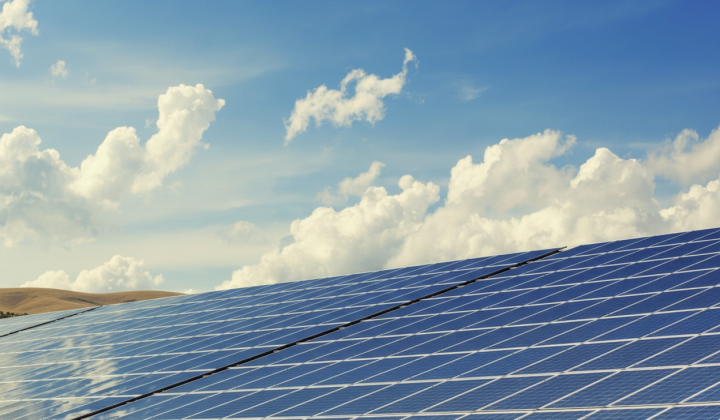
According to ХВИЛЯ: Property management expert Olga Rublova has outlined the technical and administrative hurdles for installing solar power stations on multi-story buildings. She explained that the solar panels on the roof of a modern 25-story building cannot generate enough electricity for all its apartments. The capacity of such a system is only sufficient for common building needs, such as running pumps, lighting hallways, and possibly powering one elevator.
The situation is better for 5-story buildings due to a more favorable ratio of roof area to the number of residents. For high-rises, however, a solar installation primarily serves to support the building's engineering systems. Rublova stressed that legally installing a solar system requires navigating a complex procedure to obtain technical specifications, project plans, and approvals from grid operators. This process can be so burdensome that the required paperwork sometimes costs more than the solar panels themselves.
'To legally install a solar power station and connect it to a building's internal grid, you must go through all the circles of hell with the grid operators. They demand technical conditions, projects, approvals. It's a huge amount of paperwork that can sometimes cost more than the panels. The monopolists simply don't want to lose control,' noted Olga Rublova.
The 'Zero Export' Scheme and Shared Ownership Issues
Given the difficulty of legalization, many homeowner associations (HOAs) are turning to a 'zero export' scheme. This involves installing a special smart meter that prevents surplus energy from feeding back into the public grid. 'Many HOAs are now installing panels 'semi-legally' or using the so-called 'zero export' scheme. This avoids complex agreements with DTEK about 'selling' energy or operating parallel to the grid, but it's still technically challenging,' she stated.
Furthermore, Rublova pointed to problems stemming from the shared ownership of the roof:
- If you install panels and the roof starts leaking, how do you conduct repairs?
- You must dismantle the panels, perform the repair, and reinstall them.
These are additional risks and costs that residents must understand before they begin.
Solar panels can be a crucial system component, and when combined with batteries and inverters, they can provide power during blackouts. However, according to Rublova, residents should not expect panel installation to completely solve their electricity bill issues. 'It's merely insurance so that during a blackout you have water and a working internet connection,' she summarized.
This discussion of the technical and administrative aspects of implementing solar power in apartment buildings highlights the complexity of transitioning to alternative energy sources in Ukraine. Given the existing obstacles, it is vital for residents to be fully aware of all the risks and costs involved. For context, this is particularly relevant as Ukraine seeks to decentralize its energy grid and reduce reliance on vulnerable infrastructure.

Read also