Modern diesel engines are losing their advantage: are they really more durable than gasoline ones?

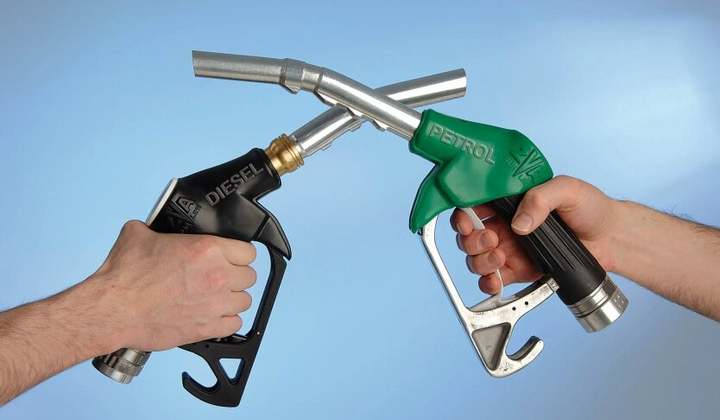
According to hvylya.net: The durability of diesel engines has long been considered an undeniable advantage over gasoline ones. However, rapid technological advancements in the automotive field and the complexity of modern engines are changing the dynamics. The question that once sounded like an axiom now requires reevaluation: do diesels really last longer?
In recent decades, gasoline engines have significantly evolved. Manufacturers have introduced turbocharging, direct injection, modern electronic control systems, and advanced materials. As a result, many gasoline engines can now comfortably cover 300,000 to 400,000 kilometers without major repairs with proper maintenance.
Diesels are also not standing still, but their design has become significantly more complicated. Exhaust cleaning systems, turbos, particulate filters, recirculation of gases - all this increases efficiency but introduces new risks and costs. Improper operation or poor-quality fuel can disable the DPF or EGR, causing problems with injectors or the fuel injection pump.
'In the past, diesel had a clear advantage due to its massive construction and operation at low RPMs,' experts explain. Indeed, older diesel engines could cover a million kilometers without serious intervention. However, today's realities are different: electronics and environmental standards have made diesels more demanding.
Key Factors of Durability
The reliability of an engine today is determined not only by its design features. Significant factors include:
-
fuel quality;
-
regular maintenance;
-
operational conditions;
-
driving style.
The Ukrainian fuel market remains a risk factor. Low-quality diesel can lead to rapid wear of high-pressure systems. Gasoline engines are also sensitive to poor-quality fuel, but in most cases, it is less critical.
Proper operation also matters. Long trips at constant RPMs contribute to the longer lifespan of diesels, especially for the cleaning of the particulate filter. In contrast, frequent short trips and cold starts create additional strain on both engine types.
How to Extend Engine Lifespan
Experts recommend:
-
refuel only at trusted gas stations;
-
timely change oil and filters;
-
monitor engine performance and respond to the first signs of malfunctions;
-
use recommended oil and fuel;
-
periodically allow the engine to run at stable RPMs.
'The lifespan of a modern engine depends more on care than on the type of fuel,' mechanics emphasize. Drivers who follow the rules can cover hundreds of thousands of kilometers regardless of whether they drive a diesel or gasoline vehicle.
So, what’s the conclusion? The durability advantage of diesel engines is no longer absolute. Gasoline units have caught up to their competitors, and the complexity of modern diesel systems sometimes even increases the risk of serious breakdowns. The choice between diesel and gasoline today is a matter of operational conditions and readiness for technical discipline.
The conclusion reflects on the current issue - which engines can be trusted most in modern vehicles. For a long time, diesel engines were considered more durable, but that situation has changed due to technological advancements. Factors such as fuel quality, regular service, operating conditions, and driving style significantly affect engine longevity. Proper operation and adherence to expert recommendations can significantly extend the operational life of automotive engines, regardless of fuel type.

Read also