Entire Byzantine Town Unearthed in Egypt's Dakhla Oasis

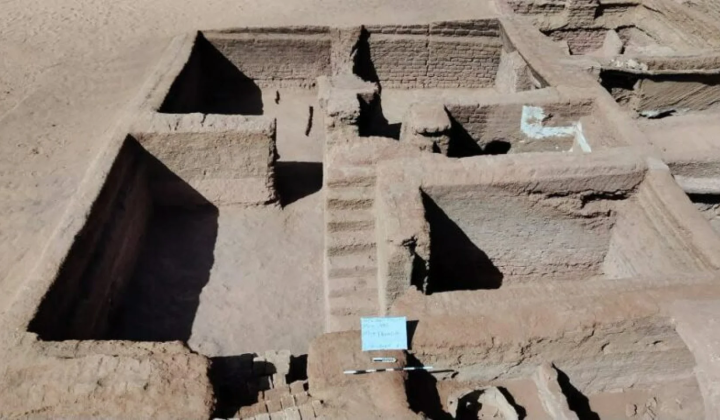
Discovery of a Byzantine Settlement in the Dakhla Oasis
According to НВ — Техно: Egypt's Ministry of Tourism and Antiquities has announced the discovery of a complete Byzantine-era town in the Dakhla Oasis. Constructed from mudbrick, the settlement features an organized layout with main streets running north-south and smaller cross streets extending east-west. At the heart of the town lies a basilica-style church facing one of the primary roads. This find offers a rare glimpse into urban planning and daily life during the Byzantine period in this remote desert region.
Excavations were carried out by an Egyptian mission affiliated with the Supreme Council of Antiquities. Mahmoud Masoud, General Director of Dakhla Antiquities, reported that the uncovered structures included key architectural features expected in a functioning residential complex:
“The settlement included houses with large halls and vaulted ceilings, bread ovens, kitchens, grain-grinding tools, two watchtowers at the edges of the site, and a fortress with thick walls.” - Mahmoud Masoud
The basilica church discovered during the dig has been dated to the mid-4th century AD. It is known that the House of Tisus, described as a church deacon, dates to the second half of the 4th century, while the House of Tabipus dates to the early 4th century. Nearby lies the village of Kellis, which has Roman origins and is located at the site of modern-day Ismant el-Kharab. In Kellis, archaeologists found around 200 ostraca with inscriptions in Coptic and Greek, as well as texts containing records of purchases and sales, correspondence, and other details of everyday life.
Artifacts and Their Significance
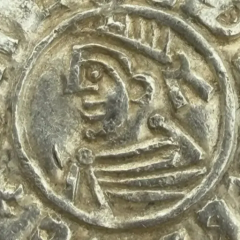
The mission also uncovered a large number of bronze coins bearing images of Byzantine emperors, Latin inscriptions, and Christian symbols. A group of gold coins was dated to the reign of Emperor Constantius II, who ruled from 337 to 361 AD. These findings indicate economic activity and cultural exchange in the region during the Byzantine period.
In addition, archaeologists in the Minya province discovered a series of burials at Jebel al-Tair, including two tombs dating to the Predynastic period and later eras. These discoveries underscore the region's historical importance and could serve as a foundation for further research.
The discovery of the Byzantine town in the Dakhla Oasis represents a major contribution to the study of Egypt's history, providing new data on socio-economic development and cultural exchange in the region during the Byzantine era. Artifacts such as coins and ostraca can help researchers better understand the daily life and trade connections of the population at that time. This also highlights the importance of archaeological research in restoring the historical memory of the region.
The recent discovery in the Dakhla Oasis highlights the rich archaeological heritage of Egypt, reminiscent of previous finds in the region. For instance, an ancient settlement from the Hyksos and New Kingdom eras was unearthed, shedding light on the diverse historical narratives that shaped this remarkable country. Such excavations provide invaluable insights into the evolution of urban life and culture across different periods.

Read also