Strike on Russian Oil Refineries: Why There Will Be No Fuel Collapse, But the Effect is Real

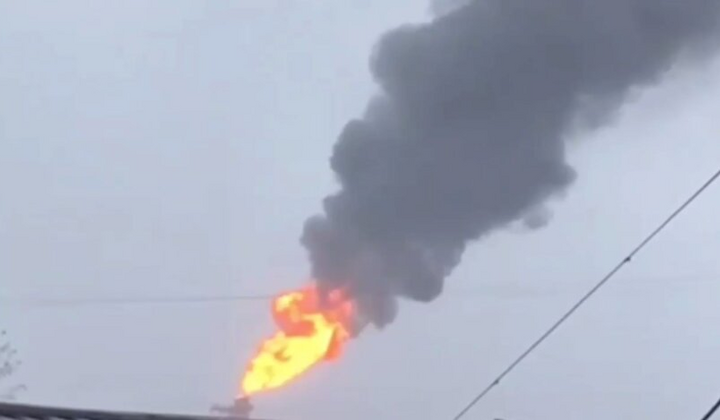
Attacks on Russian Oil Refinery Infrastructure
According to hvylya.net: Attacks on the oil refinery infrastructure of Russia are an effective way of waging a war of attrition, but one should not expect a complete halt in fuel supply in this country.
Expansion of the List of Regions and Gasoline Shortage
Expert Sergey Kuyun noted that as a result of attacks on oil refineries this year, the list of Russian regions experiencing gasoline shortages during the summer months has expanded. However, he emphasized the need to view the situation realistically.
'Russia is one of the largest producers of oil products in the world. They produce twice as much diesel fuel as they need.'
The expert explained that diesel fuel remains the main type of fuel for the Russian army, industry, and agriculture, as well as the primary export direction. The goal of the attacks is not to cause a collapse, but to force Russia to spend money on restoring oil refineries, leading to significant losses for the aggressor country.
Strikes on Oil Pumping Stations
The expert emphasized the success of strikes on oil pumping stations, calling it 'a very successful decision.' Blocking pumping stations complicates oil exports, gradually depriving the aggressor of income. Destroying oil pumping stations requires less effort than causing damage to oil refineries.
Thus, although attacks on Russian oil infrastructure will not cause a complete collapse of the fuel sector, they effectively deplete the resources of the aggressor country and force it to direct funds towards the restoration of destroyed facilities.
After analyzing the information presented, it becomes clear that attacks on Russia's oil infrastructure have led to an expansion of gasoline shortages in various regions and forced the aggressor country to spend money on restoring facilities rather than just on military purposes.

Read also