Supreme Court Restricted Journalists: Why Names Can No Longer Be Named

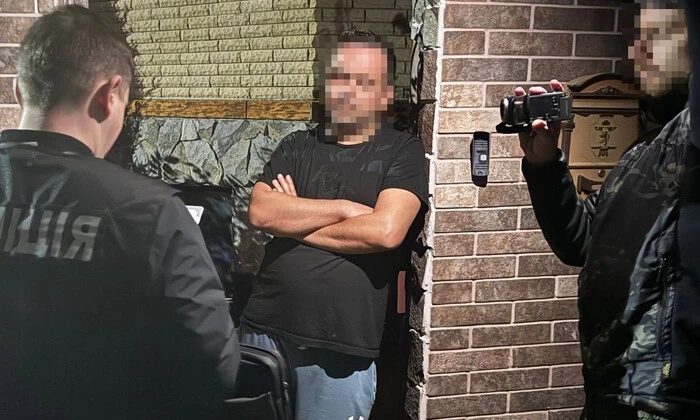
According to glavcom.ua: In September, the Supreme Court made a decision that complicates the work of journalists and public figures regarding criminal cases. This was reported by lawyer and media lawyer Yevgen Vorobyov.
According to the court's ruling, the media cannot disclose the name and surname of the suspect or accused before a verdict is issued, even in cases where this person is known to the public and the information is of great public significance. The reason lies in Article 296 of the Civil Code of Ukraine, which prohibits the use of a person's name without their consent until the verdict has legal force.
“If we follow the court's logic, Article 28 of the Civil Code of Ukraine states that the name consists of full name and patronymic, and there was no patronymic, so this issue no longer pertains to 'the right to a name', but falls under the protection of personal data.”
Vorobyov emphasized significant legal issues in the court's decision and noted that the Supreme Court did not take into account the practice of the European Court of Human Rights, which clearly defined the obligation of courts considering various aspects when publishing the names of suspects or accused individuals, including public interest and the consequences of disclosure.
The Supreme Court's ruling imposes restrictions on journalistic work, complicates the coverage of criminal cases, and violates the principles of public information dissemination.

Read also