Windows need to be closed: A sharp smell in Dnipro, specialists explain

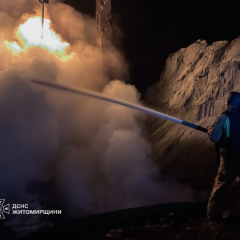
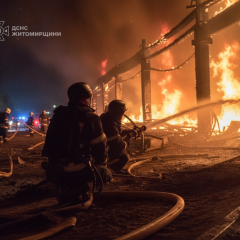
According to glavcom.ua: On the night of July 17, Russian drones attacked Dnipro, causing large-scale fires at several enterprises. In the morning, a strong smell of burning became noticeable on the left bank of the river, leading to a deterioration in residents' well-being.
A night drone attack in Dnipro led to fires at several enterprises. By morning, all fires had been extinguished; however, residents on the left bank of the city complained of an acrid smell, throat irritation, headaches, and a bitter taste in their mouths.
Representatives of the State Emergency Service of Ukraine in the Dnipropetrovsk region and the Dnipropetrovsk Regional Hydro-Meteorological Center explained that the smell was a result of the night fires and was not accompanied by harmful chemicals in the air. Rescuers recommended that residents keep their windows closed, but it was safe to go outside.
Air quality situation is being monitored
The Dnipropetrovsk Regional Hydro-Meteorological Center confirmed that monitoring of air quality is ongoing, but detailed data on the chemical composition of the air was expected only after 9:00 AM. Experts noted that the smell does not always indicate danger, and rainfall could wash combustion products from the air.
Laboratory measurements were taken in the morning to analyze the air composition. Residents were advised to keep their windows closed and avoid turning on air conditioners to prevent pulling in unpleasant smells from outside.
The attack by Russian drones over Dnipro at night led to large-scale fires, which caused the spread of an unpleasant smell of burning throughout the city and worsened the well-being of residents. Specialists emphasize that the situation is under control and recommend limiting contact with the air if necessary to avoid negative effects.

Read also