Unique 8,000-Year-Old Neolithic Pottery Unearthed in Northern Macedonia

Discoveries at the Neolithic Site of Atichi-Spomenik
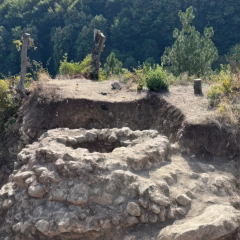
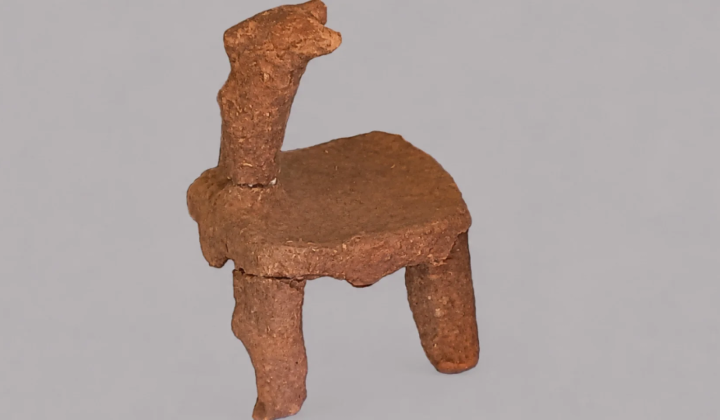
According to НВ — Техно: Archaeologists have uncovered two extraordinary ceramic artifacts at the Neolithic settlement of Atichi-Spomenik, located near Lake Dojran in Northern Macedonia. These items, dating back approximately 8,000 years, are believed to have served as symbolic guardians of grain. Excavations initially started in 1974 and resumed in 2024, revealing a Neolithic structure equipped with facilities for food storage and processing. These findings offer invaluable insights into the daily life and spiritual beliefs of some of the earliest farming communities in the region.
Insights into Neolithic Living and Rituals
The Atichi-Spomenik site lies close to the village of Crnichani in southern Northern Macedonia, within the Dojran river basin. Archaeological work has exposed clay installations within the Neolithic building that were used for storing and preparing food, especially cereals. One ceramic piece features intricate geometric motifs, while the other resembles a goat with a prominently extended neck and head. Similar animal-shaped altars or ritual tables have been found across Neolithic Balkan settlements. Grain was a vital resource for these ancient agricultural societies, ensuring food security and providing seeds for future harvests.
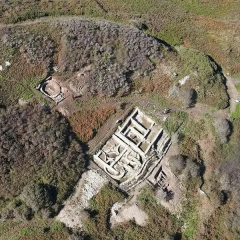
In addition to the Atichi-Spomenik discoveries, a Hellenistic ritual complex over 2,300 years old was uncovered at Gradishte. This site includes remains of a sacred enclosure wall, storage buildings containing pottery, imported vessels, animal bones, and fragments of a decorated ceremonial couch. The Gradishte excavation project is led by Dejan Djordjievski, while the investigations at Atichi are headed by Olena Stoyanova-Kanzurova.
“Our goal was to analyze the layout of the Neolithic house and its internal features,” said Olena Stoyanova-Kanzurova.
These archaeological breakthroughs highlight the crucial role of excavations in deepening our understanding of the history and culture of ancient civilizations in the Balkans.
Findings from Atichi-Spomenik and Gradishte not only enrich knowledge of the Neolithic and Hellenistic periods but also pave the way for exploring cultural traditions and social structures of early communities. Studying such settlements helps trace connections across different stages of Balkan civilization development, which is fundamental to comprehending the region’s broader historical narrative.
These remarkable findings at Atichi-Spomenik not only shed light on Neolithic life but also resonate with other significant archaeological discoveries in the region. For instance, a recent excavation at the Royal Gymnasium has revealed insights into the elite of 4th century BC Macedonia. To explore how these discoveries connect and enhance our understanding of ancient Macedonian culture, read more about the new insights into Macedonia’s elite.

Read also