European Parliament wants to limit social media for those under 16: what the initiative entails


The European Parliament supported the ban on social media use for children under 16
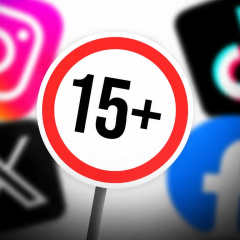
According to glavcom.ua: The decision adopted by the European Parliament to prohibit registration on social media for individuals under 16 is a step in protecting teenagers on the internet. According to this decision, the age for access to social media must be at least 16 years, and at least 13 years for services with video platforms and AI companions. This initiative could serve as a basis for future EU legislation on the digital protection of children. It is an important step in combating the negative impact of social media on the younger generation.
Legal action in the High Court of Australia by 15-year-olds
'The ban on social media use for individuals under 16 is unconstitutional,' claim Noy Jones and Maisie Neyland.
The filing of a lawsuit in the High Court of Australia by two 15-year-olds indicates the negative attitude of youth towards restrictions on social media use. They are convinced that the ban could harm vulnerable groups in society. This raises discussions about how legal acts should balance child protection and their right to express themselves in the digital space.
Access restrictions for children to social media in various countries
Initiatives to restrict children's access to social media are becoming increasingly active in various countries around the world. For example, in Australia, a law is being prepared that will prohibit children under 16 from using social media. This raises controversial opinions and support, as it concerns balancing freedom of speech and protecting youth in the virtual world. The trend of restricting children's access to social media is also spreading to other countries, such as Denmark, where a bill is being considered to restrict access to 15 years.
Prohibiting social media use for children under a certain age is becoming a focal point for legislators in various countries. However, this sparks a discussion about how to ensure children's safety online without limiting their rights to free access to information and communication.

Read also