The US Peace Plan Threatens NATO Unity: Why Europe Is Starting to Doubt Washington

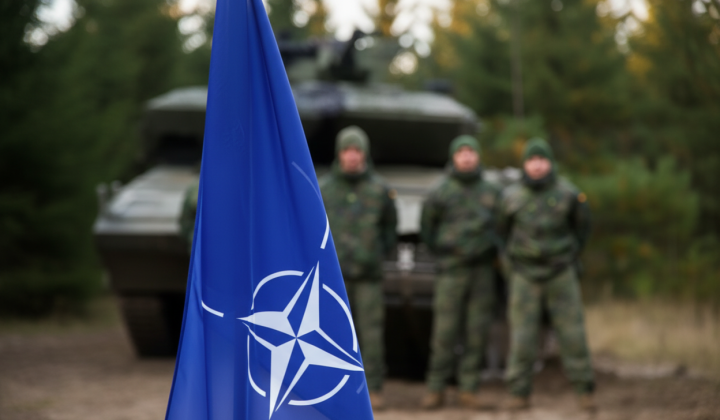
The US Peace Plan and Its Implications for NATO
According to ХВИЛЯ: The US peace plan for Ukraine is causing concern in Europe, jeopardizing NATO unity. White House Special Envoy Steve Whitkoff, on his sixth trip to Moscow this year, is conducting talks that could have far-reaching consequences for the Alliance. Meanwhile, US Secretary of State Marco Rubio will miss an important two-year NATO foreign ministers' meeting, marking the first such absence since 1999. This raises doubts among European allies about the US commitment to the Alliance.
Criticism of the Peace Plan
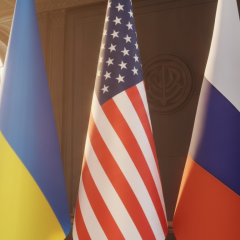
The peace plan, comprising 28 points, implies recognizing Russia as the victor, undermining trust in the US among European nations. French President Emmanuel Macron recently met with Ukrainian President Volodymyr Zelensky, indicating a revival of diplomatic efforts in light of the current situation. However, critics of the peace plan point out that it could have devastating consequences.
Carlo Masala notes that this is 'the Treaty of Versailles, punishing the victim and rewarding the aggressor.'
- A former NATO representative emphasizes that 'its absence is particularly felt,' pointing to the importance of US participation in Alliance meetings.
Ben Hodges believes that 'this is the ideal scenario for Russia.'
- Pekka Haavisto points out that 'this shows that NATO as a political structure is not functioning properly.'
- Ed Arnold adds that 'politically, Russia is on the verge of victory.'
Thus, the US peace plan raises serious questions about NATO cohesion and trust in Washington's strategic intentions among European partners. If these negotiations continue to escalate tensions among allies, it could lead to new challenges for European security and stability. In this context, it is crucial for all member countries of the Alliance to maintain unity and take measures to support Ukraine amid ongoing aggression from Russia.

Read also