The Sahara could be flooded with rain by 2100: what research has shown

According to glavcom.ua: According to a published article in Nature, scientists are using data from 40 CMIP6 climate models to examine the impact of global warming on precipitation in Africa.
According to a new study, global warming may lead to a significant increase in precipitation in North Africa. The world's largest desert - the Sahara - could experience an era of rain and undergo changes in its landscape by the end of the 21st century.
Changes in precipitation. In scenarios with high greenhouse gas emissions, summer precipitation in the Sahara could increase by 75% by the end of 2100. This could lead to significant greening of the region. The intensity of summer precipitation will also increase in Western, Eastern, and Central Africa by 7% and 15-25% respectively.
Experts explain that these changes are occurring due to the transformation of air mass movements and increased humidity. This could have both positive and negative impacts on African regions.
Consequences for Europe. Climate changes in North Africa may also affect Europe. Increased precipitation in the Sahara could lead to a reduction in the amount of dust that winds regularly carry to the European continent.
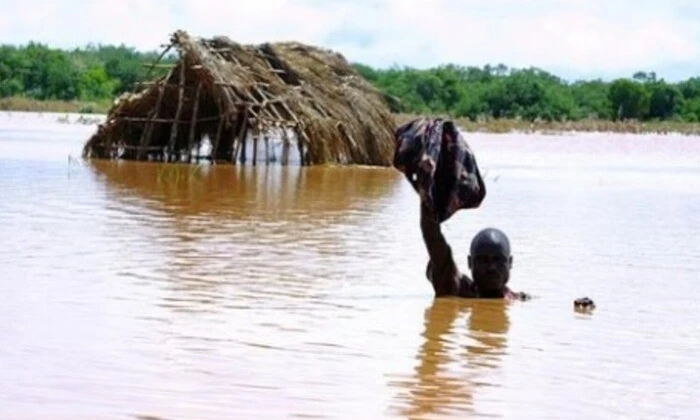
In certain regions, such as Namibia, a decrease in precipitation by 5% is expected, which could cause water supply and crop growing issues. Intensified precipitation may also lead to floods and soil erosion, creating additional challenges for regional development.
During the latest study, it was found that global warming could become catastrophic for North Africa, and these consequences could significantly affect Europe. Increased rainfall in the Sahara could lead to substantial greening of the region and a decrease in the amount of dust carried by winds to Europe. However, such climate changes could also create new problems, including soil erosion and water supply issues in other regions of North Africa.

Read also