Turkey Plans Massive Artificial Waterway to Bypass the Bosphorus

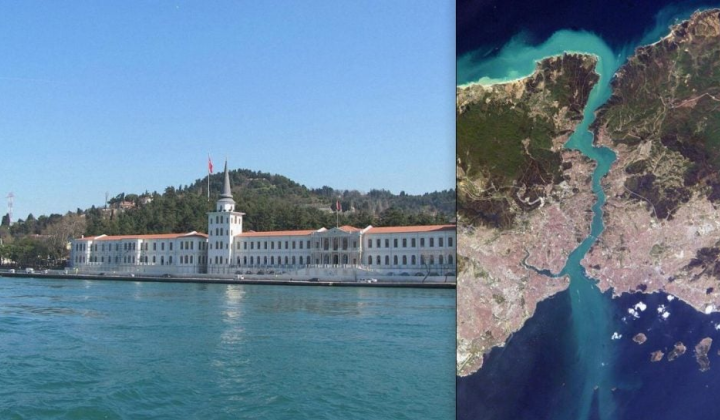
The 'Istanbul Canal' Project
According to УНІАН — Туризм: Turkey is moving forward with plans to construct a massive man-made waterway in Istanbul, designed to connect the Black Sea with the Sea of Marmara. Stretching roughly 45 kilometers, the so-called 'Istanbul Canal' aims to relieve congestion on the Bosphorus Strait, which currently sees around 43,000 vessels pass through each year. Due to heavy traffic, large ships often endure average wait times exceeding 14 hours, highlighting the urgent need for improved maritime routes in the region.
The canal will cut through the Küçükçekmece Lake area, pass by the Sazlıdere Dam, and run east of Lake Terkos. Official project documents estimate the cost at $15 billion, though a 2025 Reuters report suggested the actual price tag could be closer to $2 billion. The initiative was formally launched in 2021 with the foundation-laying ceremony for its first bridge, marking a major milestone in this ambitious undertaking.
Environmental and Legal Hurdles
One consequence of the canal's construction is that a portion of Istanbul will become an island, with the waterway almost entirely excavated by human effort. However, the project faces significant legal and environmental obstacles. The 1936 Montreux Convention, which governs passage through Turkey's straits, could impact its implementation. Turkish Transport Minister Abdulkadir Uraloğlu stated that
“the project has not been abandoned, but its continuation is tied to securing the necessary funding.”
Environmental concerns are equally pressing. The Sea of Marmara, the world's smallest inland sea, lies in a seismically active zone. A 2026 study by researchers at Istanbul Technical University may shed more light on the potential ecological consequences of canal construction. Covering approximately 7,052 km², the Sea of Marmara plays a critical role in the region's ecosystem.
The Istanbul Canal project promises to dramatically reshape maritime traffic between the Black Sea and the Sea of Marmara, but its success hinges on a thorough assessment of all associated risks. Turkey must carefully weigh these factors before moving forward.
While the canal could significantly boost shipping efficiency, it also presents serious environmental and legal challenges for Turkey. Given the strategic importance of the Sea of Marmara and obligations under treaties like the Montreux Convention, any further steps will require deep analysis of potential impacts. Upcoming environmental studies may ultimately determine the fate of this colossal project.

Read also