Ukrainian schoolgirl in Finland forced to sing Kalinka: public reaction

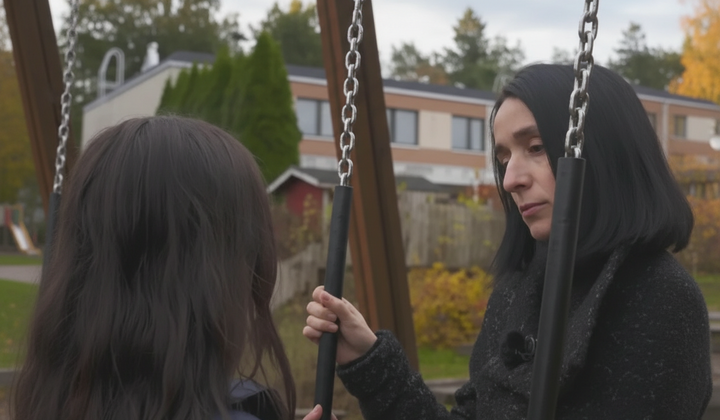
According to glavcom.ua: At a school in the city of Espoo, where 11-year-old Nicole from Ukraine studies, an unpleasant situation occurred. The girl was rudely forced to perform the Russian song 'Kalinka', although she insisted on her refusal. This was reported by the publication 'Glavcom' referencing Yle.
According to Nicole's mother, Ms. Iryna Horkun-Silen, during music class, the teacher decided to tell the students about Russian music and then suggested that they perform the song 'Kalinka'. The girl refused to perform this composition, explaining that she is Ukrainian. However, the teacher explained that political topics are not considered at school, so Nicole was forced to sing, otherwise she could receive a low grade.
Nichole's mother was outraged by this situation. It is considered a normalization of Russia, a country that is waging war against Ukraine. The mother is also surprised as to why music classes introduce children specifically to the culture of the Russian Federation.
The principal of the school where the incident took place, Ellinor Hellman, stated that their school welcomes all students regardless of their background, and teachers adhere to educational programs. She noted that students have the opportunity to learn about various forms of cultural self-expression that have been carefully selected for use in class during music lessons.
The criticism also came from the Finnish Ukrainian community. They expressed their sorrow over this situation, raising questions about the appropriateness of spreading Russian culture in schools. Earlier in the Czech Republic, a teacher, Martina Bednarzhova, who refused to acknowledge Russia's crimes in Ukraine, was sentenced to a conditional term of seven months and banned from working with children.
The incident in the Finnish school, where a girl from Ukraine is forced to sing a Russian song, provoked outrage and criticism from the Ukrainian community. The question of the appropriateness of including such musical creativity in the educational process remains relevant, especially in the context of the military conflict between Ukraine and Russia. The principal emphasized the importance of considering different cultural forms of self-expression, but the situation raises questions about ethical aspects in this matter.

Read also