The government strengthens the protection of children affected by war: what will change

Changes in legislation for the social protection of children
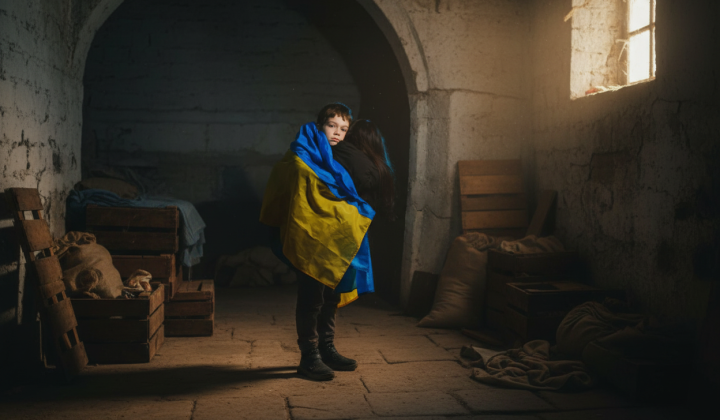
According to ХВИЛЯ: The government of Ukraine has approved changes to legislation aimed at strengthening the social protection of children affected by the armed aggression of the Russian Federation since February 19, 2014. These changes are intended to improve the living conditions of children who have suffered harm as a result of military actions.
One of the main innovations is the introduction of new compensation mechanisms for harm to the life and health of a child. Thus, compensation can be received by children who have suffered but have not received a status. This decision aims to provide greater support for those who have not been officially recognized as affected but have still suffered serious consequences from the war.
New information database and definition of terms
In addition, the government proposes to create a Unified Information Database on the harm caused to individuals as a result of military actions. This will allow for the systematization of data and more effective monitoring of the situation. The changes also involve a shift from 'multidisciplinary teams' to a 'interdisciplinary commission', which aims to improve coordination among various structures dealing with child protection issues.
Terms used in the legislation include:
- deported child
- forcibly displaced or detained child
- child affected by military actions
The effect of these changes applies to legal relations from February 19, 2014, highlighting the duration of the problem and the need for a comprehensive approach to its resolution.
These legislative changes are an important step towards improving the situation with social protection for children affected by war. Taking into account new compensation mechanisms and creating an information database will allow for better tracking of the consequences of aggression and providing necessary assistance. It also reflects the government's recognition of the prolonged nature of the conflict and its seriousness, which requires a systemic approach to the issues faced by affected children.

Read also