500-Year-Old Inca Freeze-Dried Potatoes Unearthed by Archaeologists

Discoveries at Tambo Viejo
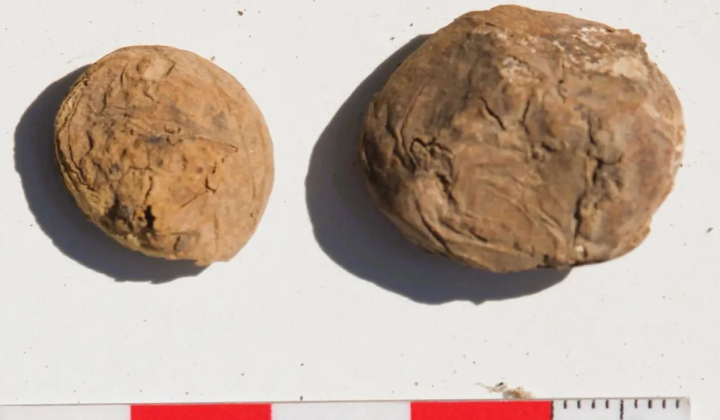
According to НВ — Техно: A study published in the Journal of Field Archaeology has revealed remarkable findings at Tambo Viejo, a former Inca provincial center in the Acarí Valley. Excavations uncovered several potatoes believed to have been used to produce a product known as chuño. The Incas employed a freeze-drying technique to transform potatoes, enabling them to transport this food over vast distances-hundreds of kilometers from the Andes.
Fresh potatoes are about 80% water, but the Incas subjected them to overnight freezing in high-altitude conditions above 3,600 meters. This preservation method turned chuño into a durable staple that could last for decades. Two chuño samples were found at the bottom of a clay pot buried in the earthen floor of a small storage room. Alongside them, fragments of Inca pottery and a wool-spinning tool were also discovered.
Significance of the Archaeological Finds
The organic remains survived thanks to the arid climate of the Acarí Valley, which helped preserve valuable materials from Inca history. According to Lidio Valdez of the University of Calgary,
“the two chuño samples were lying at the very bottom of a clay pot dug into the earthen floor of a small storage room.”
The Incas also applied similar preservation methods to meat, creating a product called charqui, further demonstrating their expertise in food storage technologies.
These findings highlight not only Inca culinary traditions but also their ability to adapt to the harsh conditions of the mountain climate. The use of freeze-drying technology for food preservation reflects the advanced state of agronomy and food science in this civilization. Studying such archaeological sites can offer fresh insights into the daily life and culture of the Incas, as well as how they organized their households and trade networks. The preservation of organic remains also opens new avenues for investigating the diets and nutrition of past civilizations in environments that might otherwise have caused their decay.

Read also