EU reports record shortage of medicines: which drugs have become scarce

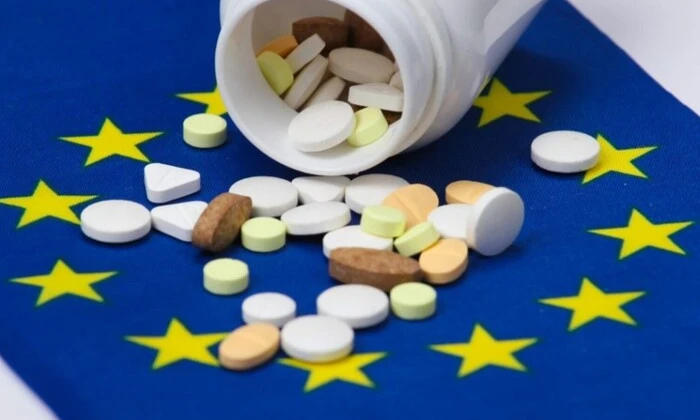
Countries in the European Union are increasingly facing shortages of medicines, which is becoming more acute. According to the data from the Accounting Chamber, last year this issue reached a record level. The portal 'Hlavkom' refers to information from Euronews. According to the European Medicines Agency (EMA), from 2022 to 2024, 136 cases of critical drug shortages were recorded. In March of this year, 34 drugs were in short supply, 16 of which are included in the list of essential medicines defined by the European Commission.
"Essential drugs that have become scarce include vital medicines such as thrombolytics, the antibiotic amoxicillin, and antidotes for cyanide poisoning."
The shortage issue is caused by manufacturing problems, a sudden increase in demand, or manufacturers may decide to withdraw a drug from sale altogether. This limits supply for a temporary or permanent period. One of the main issues is the fragmentation of data on the availability of medicines and their stocks. Regulations for manufacturers may differ in each country. For example, in the Netherlands, a manufacturer must notify the Ministry of Health of supply shortages two months before exceeding the supply deadline. In Belgium, a manufacturer may wait until stocks are actually exhausted.
"Auditors noted that EU legislation on critically important medicines does not provide for enforcement mechanisms that would allow regulatory bodies to ensure manufacturers comply with their obligations."
Unfortunately, even with the adoption of laws and initiatives by the European Commission and EMA, the situation with drug shortages is not improving. The list of medicines provided free of charge at the expense of the state budget for patients has been expanded. The shortage of medicines in European Union countries is getting worse, and this is becoming a serious problem for the population. Fragmentation of data and different regulations of countries complicate the control of drug supply, exacerbating this issue even in well-developed countries in Europe.

Read also