Workers in Germany will receive an increased hourly wage

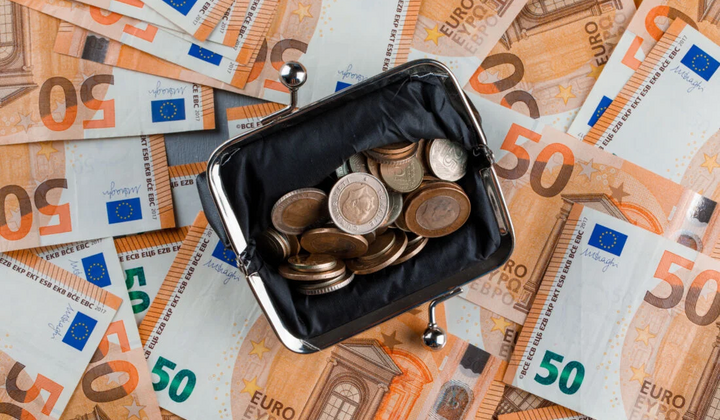
Germany has officially approved a new increase in the minimum wage. The federal government has approved a phased increase of the rate to 14.60 euros per hour — the decision will take effect in two stages and will affect millions of workers, primarily women and residents of eastern regions. This is reported by finance.ua.
How the minimum wage will rise in Germany
The increase will occur gradually, to allow businesses to adapt. The government predicts that this will mean billions in costs for employers but will also be a step towards greater social equality.
New rates:
-
from January 1, 2026 — 13.90 €/hour
-
from January 1, 2027 — 14.60 €/hour
For those working full-time on minimum wage, this means approximately +190 euros per month (before tax) starting next year. It is estimated that the changes will affect about 6.6 million workers.
Why this is important and what officials in Germany say
Federal Labor Minister Hubertus Heil called the decision a “success story for millions of people,” emphasizing that the two-step approach will allow business to transition smoothly to new conditions. According to him, this way the state recognizes the work of those who “keep the country running every day.”
At the same time, the government is calculating the costs:
-
2.2 billion euros additional for business — in 2025
-
up to 3.4 billion euros — in 2027
The increase is based on recommendations from the Minimum Wage Commission, which takes inflation and the state of the economy into account. Earlier, the Social Democrats insisted on a faster increase — to 15 €/hour from 2025, but a phased model became the compromise.
The minimum wage in Germany has been steadily rising since its introduction in 2015 (then — 8.50 €/hour). It currently stands at 12.82 €/hour.
Earlier, we reported that Germany could restrict the entry of Ukrainian men: what Söder said.

Read also