Why do we coat vegetables and fruits with wax? The State Consumer Service explained why we should be careful

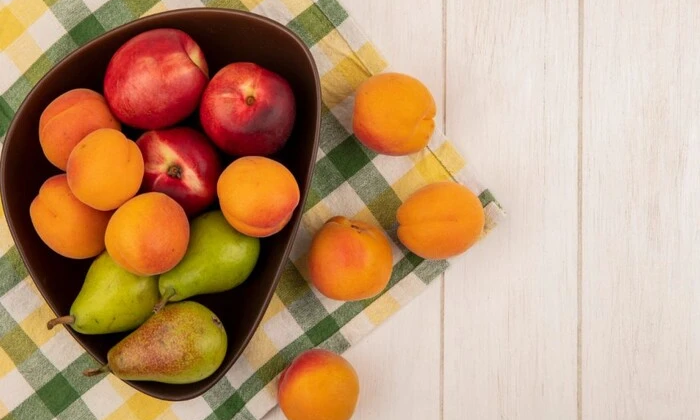
According to glavcom.ua: Fresh vegetables and fruits are always at the peak of popularity - cool, juicy, healthy. But it turns out that when we buy them in the store, they may be coated with wax. Yes, wax! It is a non-edible but safe additive. Our food experts explain which types of wax are used and why.
The law of Ukraine requires honest information about the use of additives in food products, including waxes on vegetables and fruits. In the European Union, waxes may have E-numbers that are marked on the packaging.
E901 - beeswax (white or yellow), of bee origin, used for vegetables, fruits, and even candies. Allergy sufferers, beware!
E903 - carnauba wax, plant-based (from the Copernicia prunifera palm), ideal for citrus fruits, apples, and pears;
E902 - candelilla wax, plant-based (from the candelilla bush), mostly on candies and sometimes on fruits;
E904 - shellac, animal-based (from lac insects), used for glazing fruits and citrus;
E914 - oxidized polyethylene wax, synthetic, for processing citrus fruits and bananas.
So, pay attention to the packaging, read the composition, and do not hesitate to find out what exactly coats your favorite fruits and vegetables. Take care of your health!
Not always what is healthy is free from risks. Therefore, find out which additives your favorite vegetables and fruits receive to keep your health in the best condition.

Read also